

















Healthy School Lunchbox Ideas
Nutritious, Tasty & Kid-Friendly Choices
Packing a healthy school lunchbox every morning can sometimes feel like a daily puzzle. You want something nutritious, filling, and good for your child’s growth, but you also want them to actually enjoy eating it!
The good news is that a healthy lunchbox doesn’t have to be complicated. With a little planning and a variety of wholesome foods, you can create balanced meals that provide children with the energy and nutrients they need for learning, playing, and growing. Adding dry fruits and nuts as a snack is also a simple way to make a school lunchbox more nutritious.
Why Is a Healthy Lunchbox Important?
School-going children are constantly growing and learning. Their bodies need a good supply of protein, healthy fats, carbohydrates, vitamins, minerals, and fiber throughout the day.
A nutritious lunch can help provide steady energy during school hours and prevent children from relying too heavily on sugary snacks, chips, and other highly processed foods.
Instead of focusing on making every lunch “perfect,” aim for balance and variety. Include a combination of whole grains, protein, fruits or vegetables, dairy or alternatives, and healthy fats.
1. Whole-Grain Sandwiches
Sandwiches are an easy lunchbox favorite and can be made in many different ways.
Try whole-wheat bread with fillings such as chicken, egg, cheese, tuna, or homemade vegetable patties. Add cucumber, tomato, lettuce, or carrots for extra vitamins and fiber.
For children who enjoy sweet flavors, a thin spread of peanut butter with banana slices can also make a delicious and filling option.
2. Homemade Chicken or Vegetable Wraps
Wraps are another practical choice for school lunches. Fill a whole-wheat tortilla with grilled chicken, lettuce, cucumber, carrots, and a small amount of yogurt-based dressing.
You can also prepare a vegetable wrap with egg, cheese, or chickpeas. Homemade wraps allow you to control the ingredients while keeping the meal flavorful and nutritious.
3. Fresh Fruits for Natural Sweetness
Instead of packaged sweets or sugary snacks, add fresh fruit to the lunchbox.
Apples, bananas, oranges, grapes, strawberries, pears, and seasonal fruits are excellent choices. Cut larger fruits into bite-sized pieces if that makes them easier for younger children to eat.
You can also prepare a small fruit salad for variety. Changing fruits regularly keeps lunch interesting and introduces children to different flavors and textures.
4. Dry Fruits and Nuts: A Smart School Snack
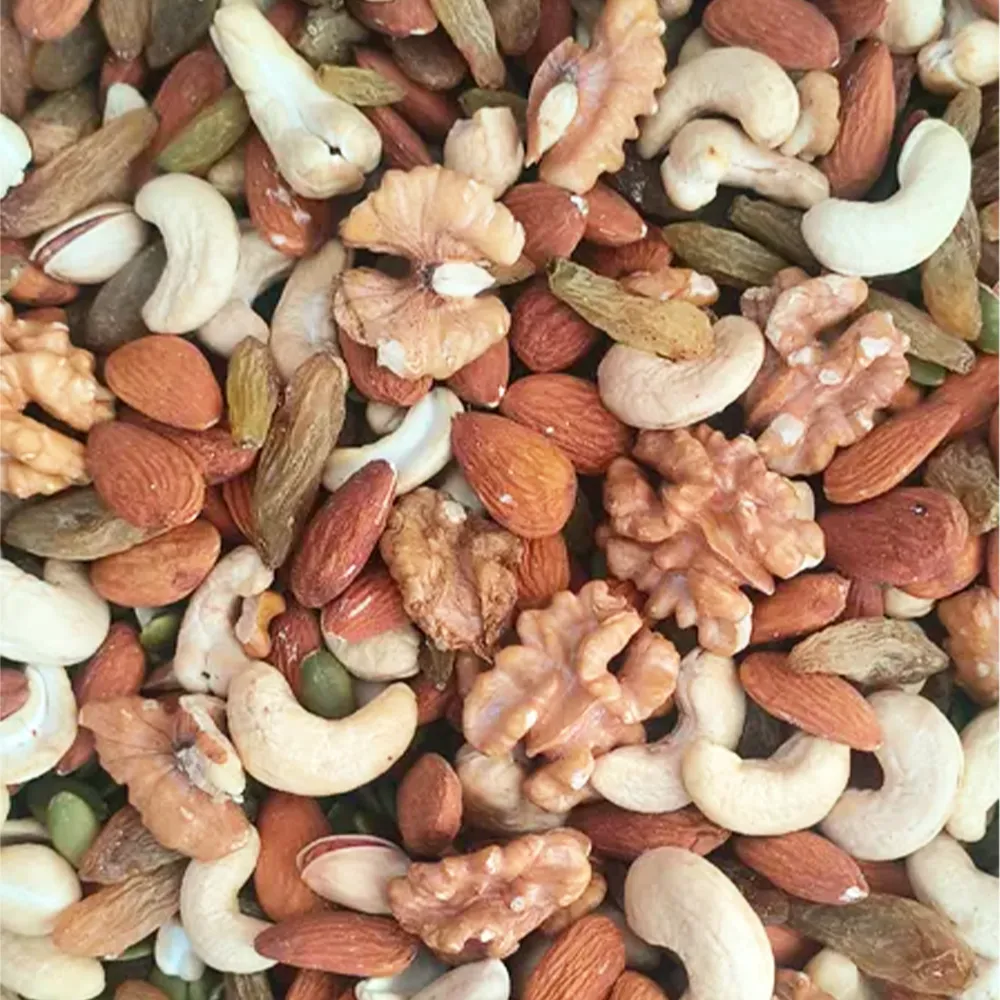
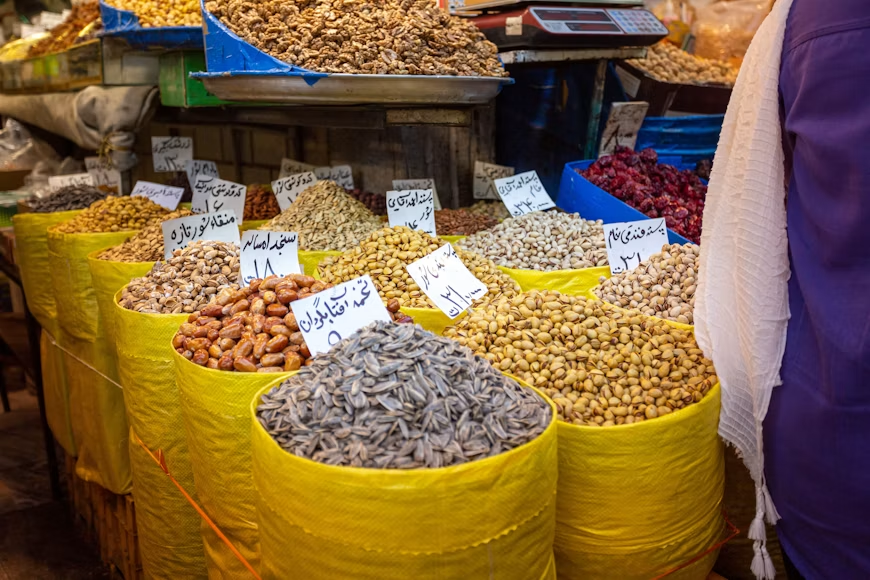
Dry fruits and nuts can be a convenient and nutritious addition to a school lunchbox. Almonds, walnuts, pistachios, cashews, raisins, dates, and dried figs provide energy along with nutrients such as healthy fats, fiber, and protein.
A small portion can make a satisfying mid-morning or afternoon snack. For example, you could pack:
- A few almonds and walnuts
- Raisins with pumpkin seeds
- Chopped dates with almonds
- Dried figs with a few cashews
- A small mixed dry-fruit portion
For younger children, choose age-appropriate forms and follow your school’s allergy policies. Whole nuts can also be a choking hazard for young children, so parents should consider the child’s age and chewing ability and use safer alternatives when appropriate.
5. Yogurt with Fruit
Plain or lightly sweetened yogurt can be a great source of protein and calcium. Add some fresh fruit, such as banana, strawberries, mango, or berries.
For an extra crunch, older children can have a small amount of chopped nuts or seeds, provided they are safe for the child and allowed at school.
Use an insulated lunch bag or ice pack when packing perishable foods to help keep them at a safe temperature.
6. Homemade Snacks Instead of Packaged Foods
You don’t have to completely eliminate treats from your child’s lunchbox, but homemade options can make everyday snacking healthier.
Consider homemade oat bars, roasted chickpeas, mini vegetable sandwiches, boiled eggs, homemade muffins, or energy bites made with oats, dates, and nuts.
These options can be prepared in advance, making busy school mornings easier.
7. Don’t Forget Water
A healthy lunchbox is not complete without something to drink. Water should be the main everyday beverage for children.
Pack a reusable water bottle and encourage your child to drink regularly throughout the school day. Limiting sugary drinks and soft drinks can help children develop healthier everyday habits.
Make Lunch Healthy—and Fun!
Children are more likely to enjoy nutritious foods when meals look appealing and offer some choice. Try cutting sandwiches into fun shapes, adding colorful fruits and vegetables, or allowing your child to choose between two healthy snack options.
Most importantly, involve children in preparing their lunchbox. Let them choose fruits, help wash vegetables, or make their own simple sandwich. These small activities can encourage healthier eating habits that last beyond the school years.
A Simple Balanced Lunchbox Formula
When you’re short on time, remember this simple formula:
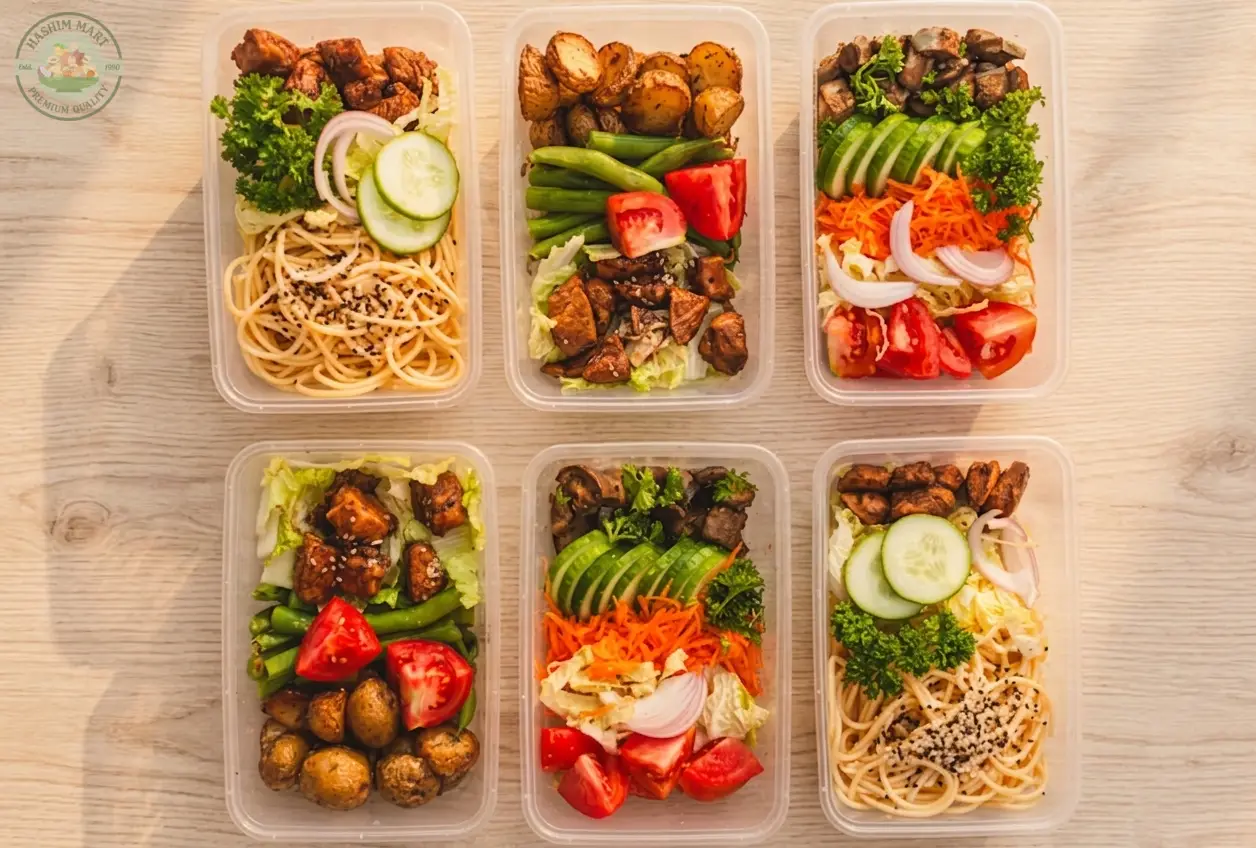
Main meal + fruit/vegetable + healthy snack + water
For example, a lunchbox could include a chicken sandwich, cucumber sticks, an apple, a small portion of almonds and raisins, and a bottle of water.
Summing Up
A healthy school lunchbox doesn’t need to be expensive, complicated, or boring. The goal is to provide children with a variety of nutritious foods that support their energy, concentration, and overall growth.
By including whole grains, protein-rich foods, fresh fruits and vegetables, dairy or alternatives, plenty of water, and small portions of nutritious dry fruits and nuts, parents can create lunchboxes that are both healthy and enjoyable.
Remember, healthy eating is built through everyday habits, not one perfect meal. Keep experimenting, offer variety, and make nutritious food enjoyable for your little ones.