


















Best Dry Fruits for Brain Health and Memory
Your brain is working all day, helping you focus, remember information, make decisions, solve problems, and manage everything from work to everyday conversations. Just like the rest of your body, your brain benefits from a balanced, nutrient-rich diet. One simple way to add more brain-friendly nutrients to your daily routine is by including dry fruits and nuts in your diet.
Dry fruits such as walnuts, almonds, pistachios, cashews, and raisins provide healthy fats, antioxidants, vitamins, minerals, and other nutrients that can support overall brain health. But which ones are particularly beneficial for memory and concentration? Let’s take a closer look.
1. Walnuts – A Brain-Friendly Favorite
When it comes to brain health, walnuts are often at the top of the list—and their shape has certainly helped build their reputation! More importantly, walnuts contain nutrients that make them a valuable addition to a balanced diet.
They are rich in healthy fats, including plant-based omega-3 fatty acid (ALA), as well as antioxidants and polyphenols. These nutrients help support overall cardiovascular health, which is closely connected to healthy blood flow throughout the body, including the brain.
Adding a small handful of walnuts to breakfast, smoothies, salads, or snacks can be an easy way to enjoy their nutritional benefits.
2. Almonds – Packed with Vitamin E
Almonds are another excellent choice for people looking to support their brain and overall wellness. They are particularly known for their vitamin E content, an antioxidant that helps protect cells from oxidative stress.
Almonds also provide healthy fats, protein, magnesium, and other essential nutrients. A few almonds can make a convenient snack between meals and may help you feel satisfied for longer.
For a simple daily habit, try adding soaked or raw almonds to your breakfast, oatmeal, yogurt, or homemade trail mix.
3. Pistachios – Small Nuts, Big Nutrition
Pistachios are not only delicious; they also provide a combination of healthy fats, protein, fiber, antioxidants, and minerals.
Their nutrient profile makes pistachios a useful addition to a balanced diet. They can also be an excellent alternative to highly processed snacks when you want something crunchy and satisfying.
Choose unsalted or lightly salted pistachios whenever possible, especially if you are watching your sodium intake.
4. Cashews – A Source of Magnesium and Healthy Fats
Cashews have a creamy texture and naturally rich flavor, making them one of the most popular nuts around the world. They contain healthy fats, protein, magnesium, copper, and other nutrients.
Magnesium plays an important role in normal nerve and muscle function, while copper contributes to normal energy production and nervous system function.
Enjoy cashews as a snack or add them to oatmeal, smoothies, stir-fries, or homemade nut mixes.
5. Raisins – A Naturally Sweet Choice
If you prefer something naturally sweet, raisins can be a convenient option. Raisins provide carbohydrates for energy along with fiber and various plant compounds.
Because dried fruits are concentrated sources of natural sugars and calories compared with their fresh counterparts, portion size matters. A small serving can add sweetness and nutrients to breakfast cereals, yogurt, salads, or trail mixes without relying on highly processed sweets.
6. Dried Figs – Fiber and Essential Minerals
Dried figs are another nutritious addition to a balanced diet. They contain dietary fiber and minerals such as calcium, potassium, magnesium, and copper.
While dried figs are not a “memory booster” on their own, their overall nutrient content can contribute to a healthy eating pattern. They are particularly convenient as a snack and pair well with almonds or walnuts.
7. Dates – Quick Natural Energy
Dates are naturally sweet and provide carbohydrates, fiber, potassium, magnesium, and antioxidant compounds. Because carbohydrates are an important source of energy for the body and brain, dates can be a convenient snack when you need a quick source of fuel.
Try pairing one or two dates with nuts such as almonds or walnuts for a more balanced snack containing carbohydrates, healthy fats, and protein.
How Many Dry Fruits Should You Eat Daily?
More isn’t always better. Dry fruits and nuts are nutrient-dense, meaning they can provide plenty of nutrients and calories in relatively small portions.
For most healthy adults, a small handful of mixed nuts, roughly 25–30 grams, can be a practical daily serving. For dried fruits, smaller portions are often appropriate because their natural sugars and calories are concentrated after the water has been removed.
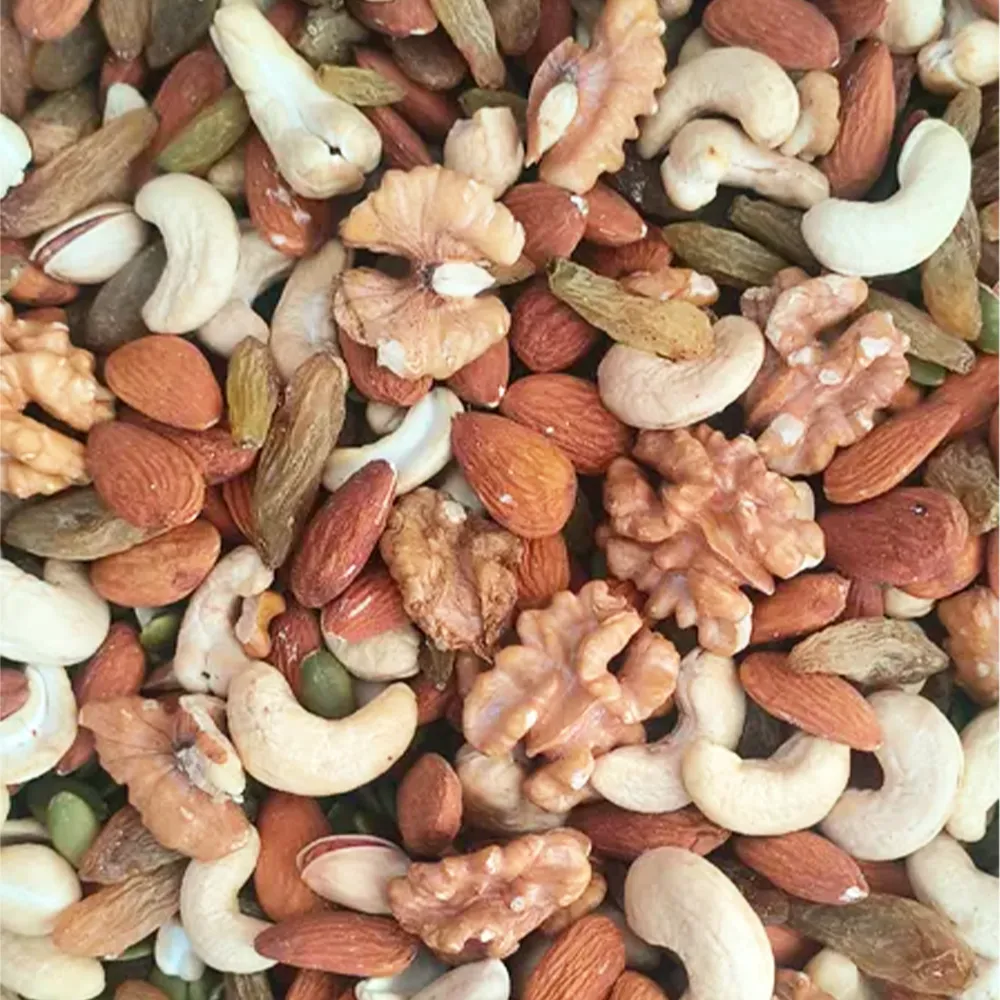
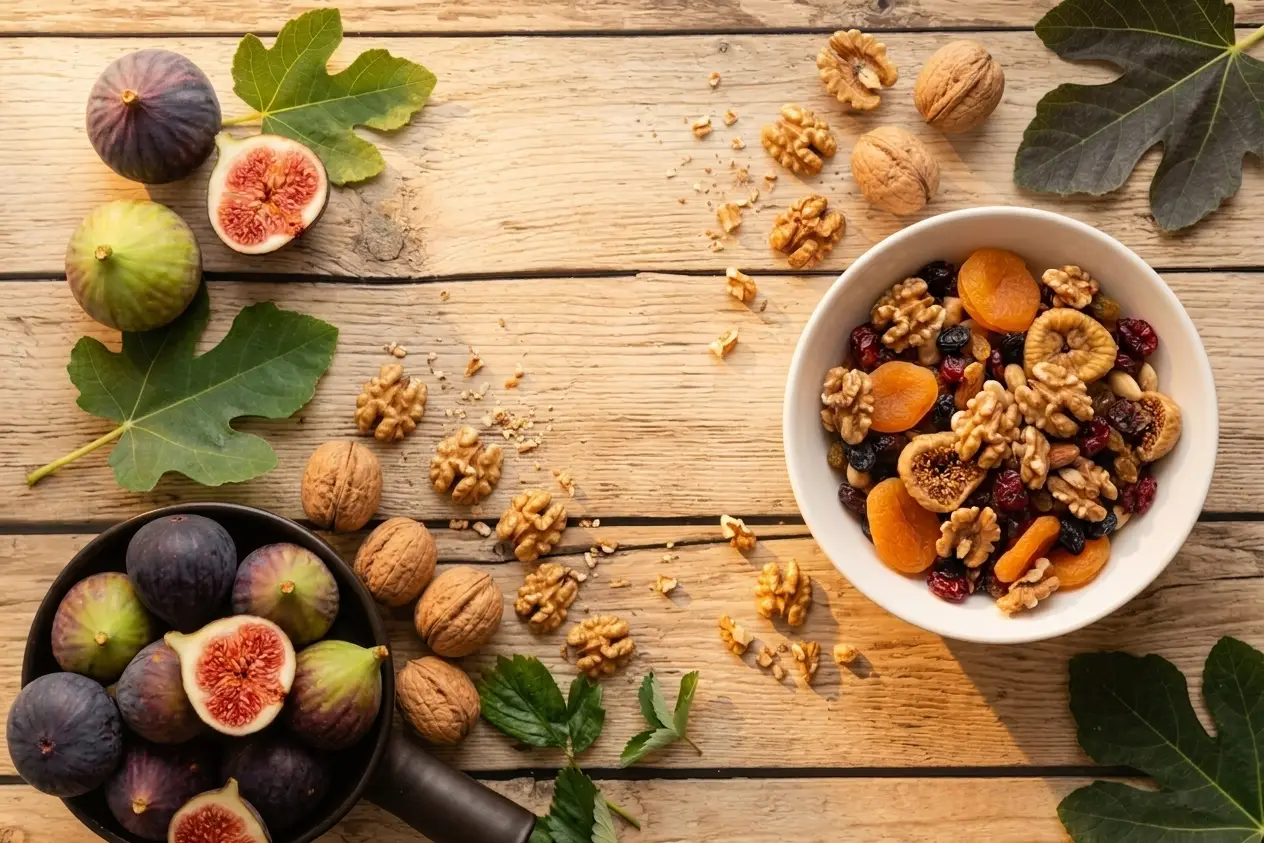
You can create your own brain-friendly snack mix using walnuts, almonds, pistachios, and a small amount of raisins or dried figs.
Make Dry Fruits Part of a Healthy Lifestyle
While dry fruits can provide important nutrients, no single food can dramatically improve memory or concentration by itself. Brain health depends on your overall lifestyle, including a balanced diet, regular physical activity, adequate sleep, hydration, stress management, and staying mentally active.
Think of dry fruits as one small but delicious part of the bigger picture.
Summing Up
If you want to support your brain health through better nutrition, walnuts, almonds, pistachios, cashews, raisins, dried figs, and dates are excellent foods to consider. They provide a variety of healthy fats, antioxidants, fiber, vitamins, minerals, and energy.
The best approach is simple: choose a variety, keep portions sensible, and make them part of a balanced diet. Whether you enjoy a handful of almonds in the morning, walnuts with your evening snack, or a homemade mix of nuts and dried fruits, these delicious foods can make healthy eating both nutritious and enjoyable.