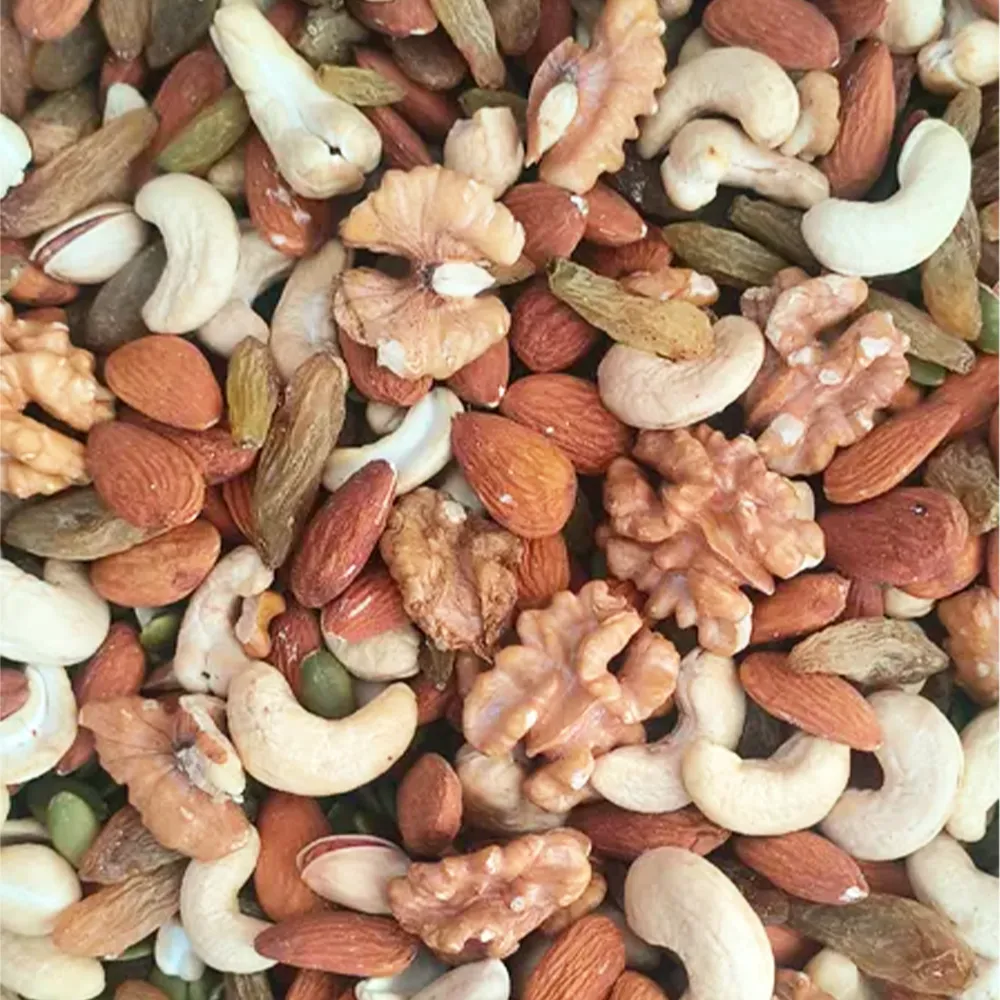




















Dry Fruits That Naturally Boost Immunity
Your immune system works around the clock to protect your body from infections and illnesses. While no single food can prevent you from getting sick, a balanced diet rich in vitamins, minerals, antioxidants, healthy fats, and plant-based nutrients can help support normal immune function. Among the many nutritious foods available, dry fruits are an easy and delicious way to add valuable nutrients to your daily diet.
From almonds and walnuts to raisins and dried figs, several dry fruits contain nutrients that can contribute to a healthy immune system. Let’s explore some of the best options and how you can include them in your everyday routine.
1. Almonds – A Vitamin E Powerhouse
Almonds are one of the most popular dry fruits, and for good reason. They are naturally rich in vitamin E, an antioxidant that helps protect cells from oxidative stress. They also provide healthy fats, protein, magnesium, and other essential nutrients.
Vitamin E plays an important role in supporting the body’s immune response. A small handful of almonds can make a nutritious snack between meals or can be added to oatmeal, smoothies, yogurt, and breakfast bowls.
Tip: Soaked almonds are a popular traditional choice. You can soak them overnight, remove the skin if preferred, and enjoy them in the morning.
2. Walnuts – Rich in Healthy Fats and Antioxidants
Walnuts are packed with beneficial nutrients, including omega-3 fatty acids, antioxidants, protein, and minerals. Their unique combination of healthy fats and plant compounds makes them a valuable addition to a balanced diet.
Omega-3 fatty acids are known for their role in supporting overall health, while antioxidants help protect cells from oxidative damage. Adding a few walnuts to your daily diet can be an easy way to increase your intake of healthy fats.
Enjoy walnuts on their own or sprinkle them over salads, cereal, yogurt, or homemade energy bars.
3. Raisins – Small but Nutrient-Dense
Raisins may be small, but they contain several important nutrients and beneficial plant compounds. They provide natural carbohydrates for energy along with dietary fiber and antioxidant compounds.
Raisins also contain minerals such as iron and potassium. Although they should be enjoyed in moderation because their natural sugars are concentrated during drying, a small serving can be a convenient addition to a healthy diet.
Try adding raisins to breakfast cereals, homemade trail mix, or simply enjoy a small handful as a snack.
4. Dried Figs – Fiber and Antioxidant Benefits
Dried figs are naturally sweet and provide dietary fiber, minerals, and antioxidant compounds. Fiber supports healthy digestion, while maintaining good digestive health is an important part of overall wellness.
Figs also contain minerals such as calcium, potassium, and magnesium. Their naturally sweet taste makes them a great alternative to highly processed sweet snacks.
You can enjoy dried figs on their own, chop them into oatmeal, or combine them with nuts for a nutritious snack.
5. Pistachios – Packed with Plant Nutrients
Pistachios provide protein, healthy fats, fiber, vitamins, minerals, and antioxidant compounds. They are particularly useful as a satisfying snack because their combination of protein, fat, and fiber can help keep you feeling full.
Their antioxidant content also makes pistachios a nutritious choice for people looking to include more plant-based foods in their diet.
Choose unsalted or lightly salted pistachios when possible, especially if you are watching your sodium intake.
6. Cashews – A Source of Zinc and Minerals
Cashews are a good source of several minerals, including zinc, copper, magnesium, and iron. Zinc is especially important for normal immune system function.
Cashews can be enjoyed as a snack or incorporated into meals. They work particularly well in homemade granola, smoothies, stir-fries, and nut mixes.
As with other nuts, portion size matters because cashews are relatively calorie-dense.
7. Dates – Natural Energy with Valuable Nutrients
Dates are naturally sweet and provide carbohydrates, fiber, potassium, magnesium, and antioxidant compounds. They can provide a quick source of energy and are often used as a healthier alternative to refined sweets.
Try pairing dates with almonds or walnuts. The combination of natural carbohydrates, healthy fats, and protein makes for a more balanced snack.
How to Add Dry Fruits to Your Daily Diet
You don’t need to eat large quantities of dry fruits to benefit from their nutritional value. A small handful of mixed nuts and dry fruits can be enough to complement a balanced diet.
Here are some simple ideas:
- Add chopped almonds and walnuts to your breakfast.
- Mix raisins, pistachios, and cashews into homemade trail mix.
- Blend dates and nuts into homemade energy bites.
- Add dried figs to oatmeal or yogurt.
- Include a small portion of mixed dry fruits as an afternoon snack.
- Use unsalted nuts and naturally dried fruits whenever possible.
A Healthy Reminder
Dry fruits can support a healthy diet, but they are not a substitute for a varied eating pattern. Your immune system also benefits from adequate sleep, regular physical activity, good hydration, stress management, and a diet that includes vegetables, fruits, whole grains, legumes, and quality sources of protein.
Also, remember that dried fruits are more concentrated in natural sugars and calories than their fresh counterparts. Enjoy them in sensible portions, and choose varieties without unnecessary added sugar whenever possible.
Final Thoughts
Adding nutritious dry fruits to your daily routine is a simple and delicious way to increase your intake of important nutrients. Almonds, walnuts, raisins, figs, pistachios, cashews, and dates each offer their own unique nutritional benefits.
So, instead of reaching for highly processed snacks, consider keeping a small portion of mixed dry fruits nearby. A handful of nature’s goodness every day can be a delicious part of a balanced lifestyle and your overall wellness routine.