













Ultimate Guide to Healthy Snacking
Snacking often gets a bad reputation, but the truth is that snacking can be an important part of a healthy lifestyle. The key is not to avoid snacks altogether, it’s to choose snacks that provide real nutritional value and keep you satisfied between meals. This ultimate guide to healthy snacking will help you choosing the right snack according to your needs.
Whether you’re working at the office, studying, traveling, or heading to the gym, having the right snack can help maintain your energy and prevent you from reaching for highly processed foods when hunger strikes.
What Is Healthy Snacking?
Healthy snacking means choosing foods that provide essential nutrients such as protein, healthy fats, fiber, vitamins, and minerals without excessive added sugar, salt, or unhealthy fats.
A good snack should ideally satisfy your hunger while complementing your overall diet. Instead of thinking of snacks as something extra, think of them as small opportunities to add nutritious foods to your daily routine.
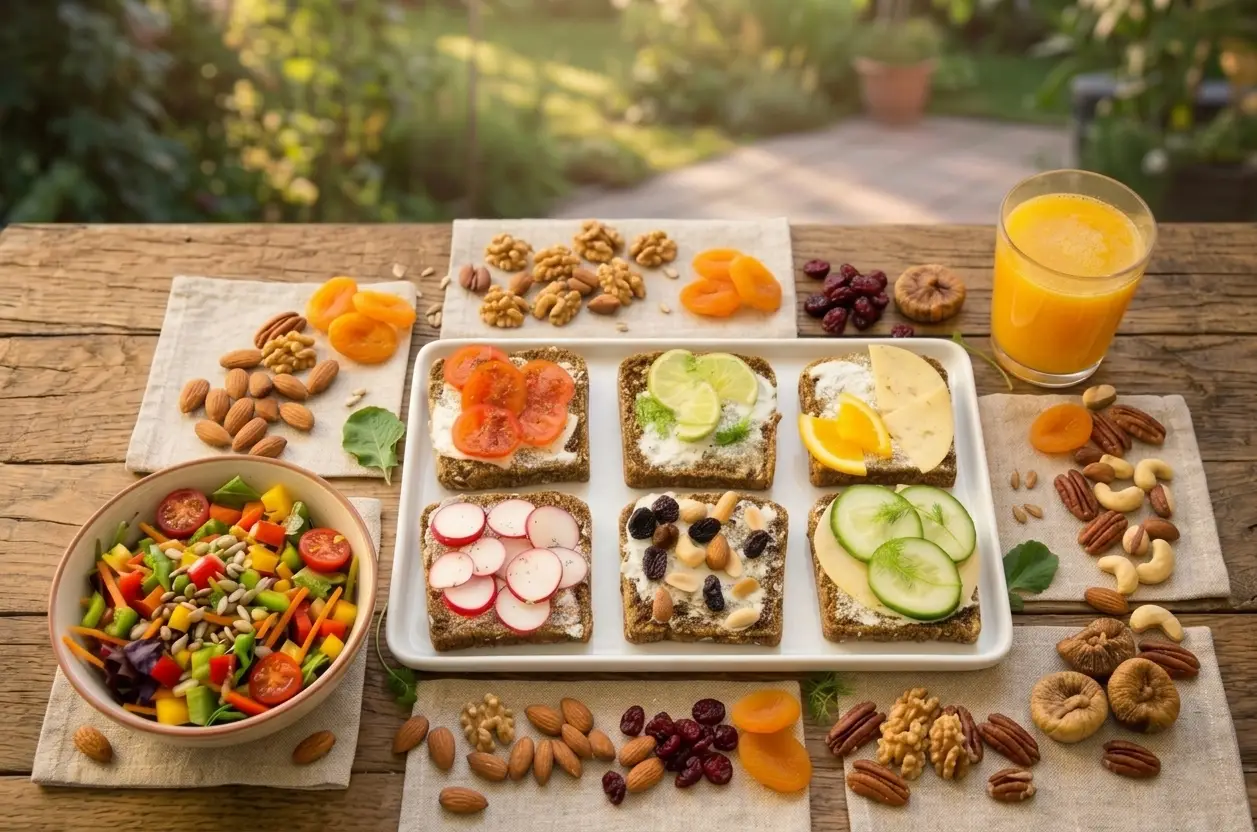
For example, a handful of almonds, some dried fruit, yogurt with seeds, or fresh fruit can be much more nourishing than a packet of chips or a sugary snack.
Why Is Healthy Snacking Important?
Going too long without eating can leave you extremely hungry, which may lead to overeating at your next meal. Smart snacking can help maintain steady energy levels and make it easier to manage hunger throughout the day.
Healthy snacks can also be particularly useful for people with busy schedules. If lunch is several hours away or you need something before a workout, a nutritious snack can provide the fuel your body needs.
For active individuals, snacks containing carbohydrates and protein can be especially useful around exercise. Carbohydrates provide energy, while protein supports muscle maintenance and recovery.
What Makes a Snack Healthy?
A balanced snack doesn’t have to be complicated. Look for foods that combine nutrients and provide lasting satisfaction.
1. Choose Protein-Rich Foods
Protein helps you feel full and satisfied. Good snack choices include nuts, seeds, Greek yogurt, boiled eggs, roasted chickpeas, and cottage cheese.
Adding protein to your snack can be especially helpful when you have several hours before your next meal.
2. Include Healthy Fats
Healthy fats are another important part of a balanced snack. Nuts and seeds are convenient sources of unsaturated fats, along with other nutrients.
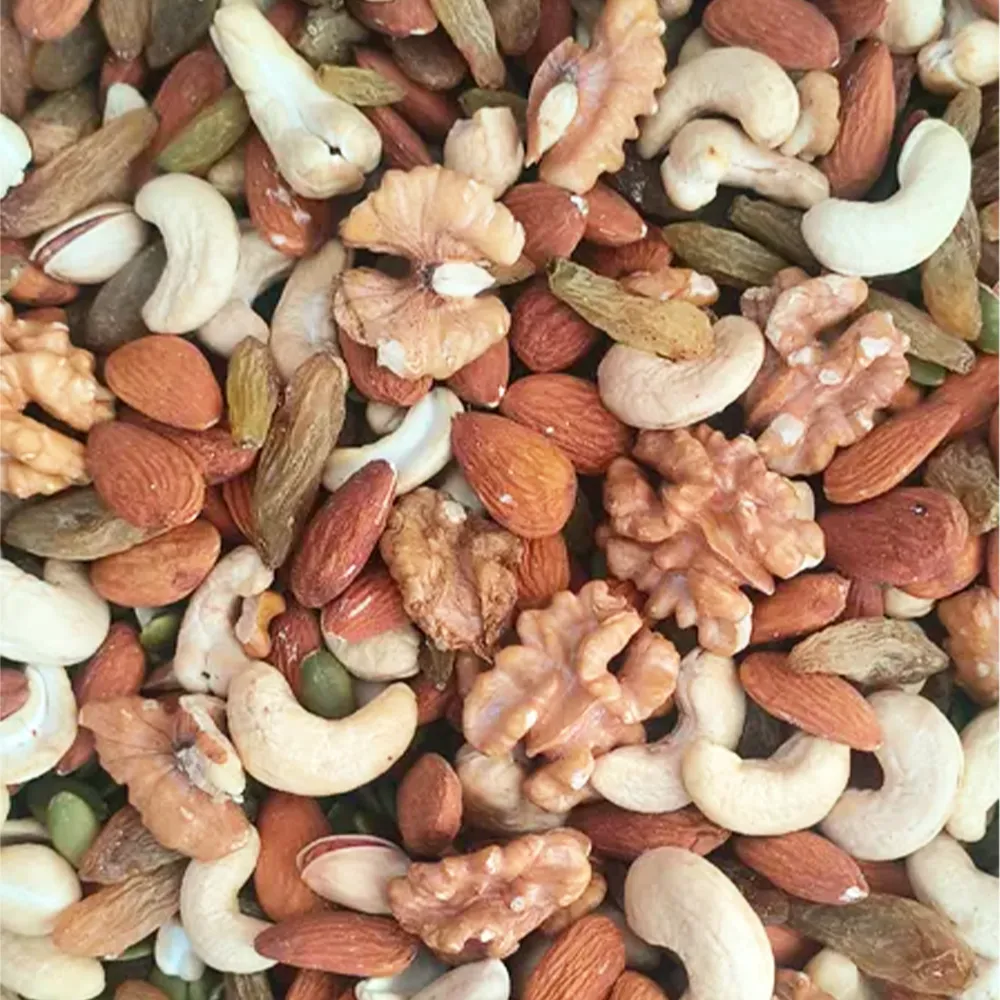
Almonds, walnuts, pistachios, cashews, sunflower seeds, and pumpkin seeds can make convenient snacks when eaten in appropriate portions.
3. Add Fiber
Fiber supports digestive health and can help you feel full for longer. Fruits, vegetables, whole grains, nuts, seeds, and dried fruits can contribute fiber to your diet.
Fresh apples, pears, bananas, carrots, and cucumber are easy choices. Dried fruits such as raisins, figs, dates, and apricots are also convenient, although they are more concentrated in natural sugars and calories, so portion size matters.
Healthy Snack Ideas for Every Situation
The best snack is often the one that fits naturally into your routine.
For work: Keep a small portion of mixed nuts, roasted chickpeas, or dried fruit at your desk.
Before exercise: Try a banana, a few dates, or yogurt with fruit for an easily digestible source of energy.
After exercise: Combine protein and carbohydrates, such as yogurt with fruit and seeds or a small handful of nuts with dried fruit.
For students: Fresh fruit, homemade trail mix, roasted nuts, or whole-grain snacks can provide convenient energy during long study sessions.
For travel: Nuts, seeds, and dried fruits are particularly practical because they are portable and generally don’t require refrigeration.
Portion Size Matters
Even nutritious foods can contribute more calories than you need if eaten in very large quantities. This is particularly important with calorie-dense foods such as nuts, seeds, and dried fruits.
Instead of eating directly from a large packet, measure a suitable portion and keep the rest stored away. This simple habit can make healthy snacking much easier to manage.
Snacks to Limit
Healthy eating doesn’t mean you can never enjoy treats. However, foods that are consistently high in added sugars, sodium, or unhealthy fats are better enjoyed occasionally rather than becoming everyday snacks.
Cookies, sugary drinks, candy, chips, and highly processed snack foods may provide quick energy but often don’t keep you satisfied for long.
Try replacing some of these choices with whole or minimally processed foods. You don’t need to change everything overnight—even one healthier swap each day can make a difference.
Don’t Forget Hydration
Sometimes thirst can feel like hunger. Along with choosing nutritious snacks, remember to drink enough water throughout the day.
Water should generally be your main beverage. Unsweetened tea and other low- or no-calorie beverages can also fit into a healthy routine.
Build Your Own Healthy Snack Routine
The easiest way to snack better is to plan ahead. Keep nutritious options readily available at home, at work, or in your bag. When healthy foods are convenient, you’re less likely to depend on whatever snack happens to be available.
A simple formula is:
Protein + healthy fat + fiber-rich carbohydrate = satisfying snack.
For example, combine nuts with dried fruit, yogurt with berries and seeds, or whole-grain crackers with a protein-rich topping.
Summing Up
Healthy snacking doesn’t have to be boring, expensive, or complicated. The goal is to choose nutritious foods that satisfy hunger and support your everyday energy needs.
Start with simple changes: keep nuts and fruit nearby, watch your portions, choose minimally processed foods, stay hydrated, and plan snacks before hunger becomes overwhelming.
Remember, healthy eating is about consistency, not perfection. Enjoy your favorite treats occasionally, but make nutritious choices the easy and convenient option most of the time. With a little planning, snacking can become a positive part of your healthy lifestyle rather than something you feel guilty about.
Explore out other Blogs for health tips.