



















Dry Fruit for Elders
Benefits, Diabetes Considerations, Pros and Cons
As our parents and grandparents grow older, their nutritional needs change. Maintaining a balanced diet becomes increasingly important for supporting energy, heart health, digestion, muscles, and overall well-being. One simple addition that can provide valuable nutrients is dry fruits and nuts.
But are dry fruits really worth adding to an elderly person’s daily diet? And what about older adults with diabetes? The answer is generally yes—with the right choices, portions, and preparation.
Are Dry Fruits Good for Elderly People?
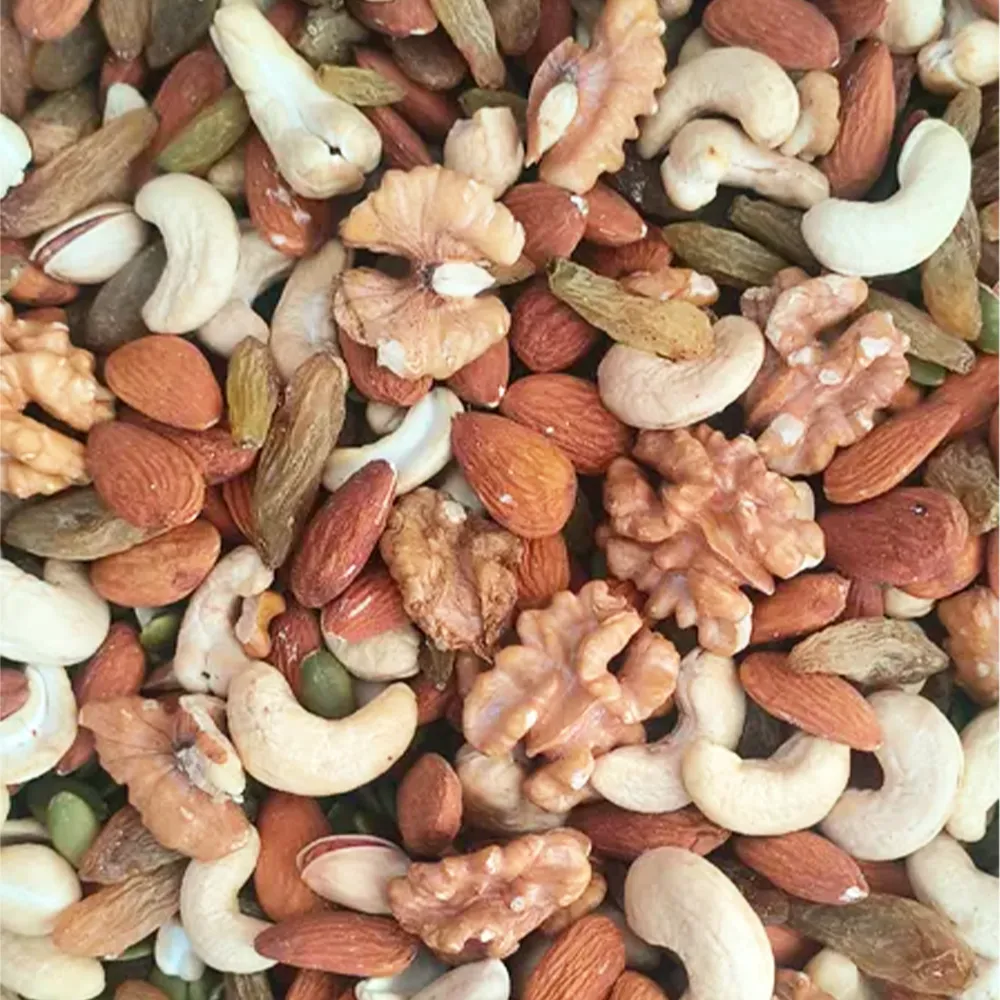
Dry fruits such as almonds, walnuts, pistachios, raisins, figs, dates, and apricots contain a concentrated amount of nutrients. Nuts provide healthy unsaturated fats, protein, fiber, vitamins, minerals, and antioxidants, while traditional dried fruits provide carbohydrates, fiber, and various micronutrients. Research on nutrition and healthy aging supports dietary patterns that include fruits, vegetables, nuts, whole grains, and healthy fats. (PubMed Central (PMC))
For older adults who may have a smaller appetite, a modest serving of nuts can be an easy way to add nutrition without requiring a large meal.
1. Supports Heart Health
Heart health becomes particularly important with age. Almonds, walnuts, pistachios, and other nuts contain unsaturated fats and other nutrients that can form part of a heart-friendly eating pattern. Research has found an association between regular nut consumption and better cardiovascular outcomes.
Walnuts are especially interesting because they provide plant-based omega-3 fatty acid (ALA), along with other beneficial compounds. Studies in middle-aged and older adults have also investigated walnut consumption in relation to cholesterol and metabolic health.
2. Provides Fiber for Better Digestion
Constipation can become more common with age, particularly when people are less physically active or do not drink enough fluids. Fiber-rich foods can help support regular bowel movements.
Dried figs, prunes, raisins, and apricots contain dietary fiber. Nuts such as almonds and pistachios also contribute fiber. However, dried fruits should be eaten in sensible portions because their nutrients—and natural sugars—are concentrated.
3. Helps Provide Energy and Nutrients
Older adults sometimes eat less because of reduced appetite or changes in taste and chewing ability. A small serving of nuts can provide energy, protein, healthy fats, magnesium, and other nutrients.
Almonds, walnuts, pistachios, and cashews can therefore be useful as a snack alongside yogurt, oatmeal, or other nutritious foods.
4. May Support Healthy Aging
A nutritious diet is an important part of healthy aging. Research reviewing nutrition and aging suggests that diets rich in fruits, vegetables, nuts, cereals, fish, and unsaturated fats may support cardiovascular health and overall quality of life.
Of course, dry fruits are not a medicine or a replacement for prescribed treatment. Their value comes from being part of an overall balanced diet.
Can Diabetic Elderly People Eat Dry Fruits?
Yes, many people with diabetes can include nuts and certain dried fruits in their diet—but portion control is essential.
Nuts are generally a particularly useful choice because they are relatively low in carbohydrate and provide healthy fats, protein, and fiber. Some research has found that diets emphasizing tree nuts can modestly improve markers such as HbA1c and fasting glucose in people with diabetes, although the evidence has limitations.
Dried fruits require more attention. Because water is removed during drying, the natural sugars and carbohydrates become concentrated in a smaller volume. The American Diabetes Association notes that dried fruit can be nutritious, but portions are small; for example, about two tablespoons of raisins or dried cherries can contain around 15 grams of carbohydrate. (American Diabetes Association)
For a person with diabetes, unsweetened nuts are usually a better everyday snack than large portions of dates, raisins, or sweetened dried fruits.
Pros of Dry Fruits for Elders
- Provide healthy fats, protein, fiber, vitamins, minerals, and antioxidants.
- Convenient and easy to keep at home.
- Can provide energy when appetite is low.
- Nuts can fit into a heart-friendly eating pattern.
- Fiber-containing varieties can support digestive health.
- Can replace less nutritious snacks such as biscuits, sweets, and highly processed foods.
Cons and Things to Watch
Dry fruits are nutritious, but more is not always better.
High calories: Nuts are energy-dense, so eating large handfuls every day can contribute to unwanted weight gain.
Concentrated natural sugar: Raisins, dates, figs, and other dried fruits contain concentrated carbohydrates. This matters particularly for people managing diabetes.
Added sugar: Some commercial dried fruits, especially candied fruit and sweetened cranberries, may contain added sugars. Choose products with no added sugar whenever possible.
Chewing difficulties: Hard nuts may be difficult for some elderly people to chew. Ground nuts, nut butter without added sugar, or finely chopped / grated nuts may be easier alternatives.
Allergies: People with nut allergies should avoid the relevant nuts completely.
Medication and medical conditions: Older adults may have kidney disease, swallowing difficulties, diabetes, or other dietary restrictions. Their individual requirements should take priority over general nutrition advice.
How Much Is Appropriate?
For many healthy adults, a small handful of unsalted nuts, roughly 20–30 grams, can be a practical serving. Dried fruit portions should generally be smaller because the carbohydrates are concentrated.
A simple combination could be a few almonds, walnuts, and pistachios with a small amount of unsweetened dried fruit. There is no need to consume every type of dry fruit every day.
For diabetic parents, monitor carbohydrate portions and choose unsalted, unsweetened nuts more often. If blood glucose is difficult to control, or the person takes glucose-lowering medication, their doctor or registered dietitian can help determine suitable portions.
Final Thoughts
So, is it worth adding dry fruits to an elderly parent’s diet? In most cases, yes. Nuts and unsweetened dried fruits can be nutritious, convenient additions to a balanced diet and may help older adults obtain healthy fats, fiber, protein, minerals, and other nutrients.
The key is quality and moderation. Choose plain or lightly processed nuts, avoid heavily salted or sugar-coated varieties, keep dried-fruit portions modest, and consider the person’s ability to chew and digest them.
For elderly people with diabetes, dry fruits are not automatically off-limits. In fact, nuts can be a useful part of a diabetes-friendly eating pattern. However, dried fruits such as dates and raisins need greater portion control because their carbohydrates are concentrated.
Ultimately, dry fruits should complement—not replace—a varied diet containing vegetables, fresh fruits, whole grains, adequate protein, and sufficient fluids. When combined with regular physical activity and appropriate medical care, small portions of nutritious dry fruits can be a simple and enjoyable addition to healthy aging.