


















Healthy Tea Tips: A Guide to Tea Varieties Across Asia
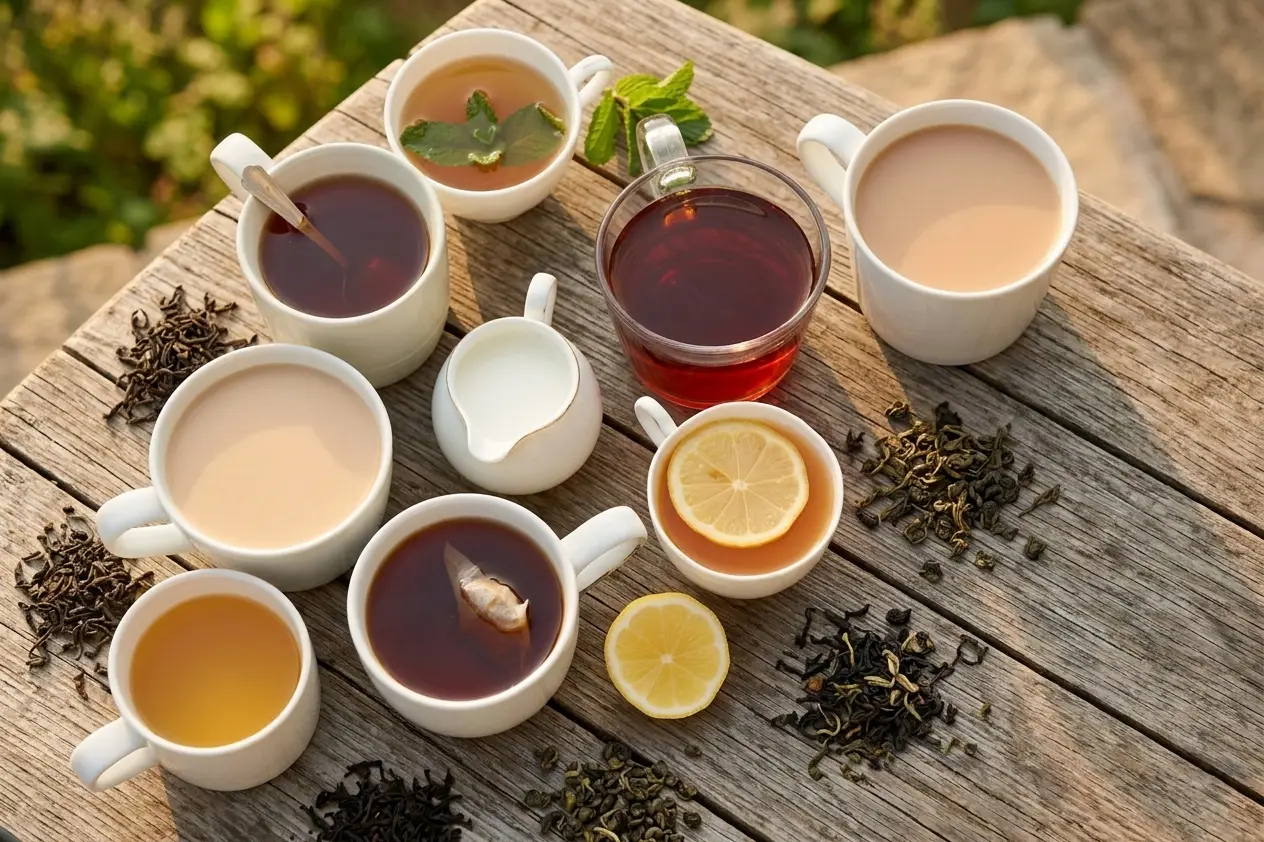
Tea is much more than a refreshing drink in Asia. For millions of people, it’s a part of their morning routine, an afternoon break, a way to welcome guests, and a reason to sit down and enjoy a conversation with family and friends. From a strong cup of milk tea to a soothing cup of green tea, every region has its own tea traditions. Here’re some healthy tips you may consider before grabbing a cup of tea.
But with so many varieties available, how do you choose a healthy tea? And which tea is the most famous in Asia? Let’s explore some popular varieties and simple tips for enjoying tea in a healthier way.
Why Is Tea So Popular in Asia?
Asia has a deep-rooted tea culture. Countries such as China, Japan, India, Pakistan, Sri Lanka, Bangladesh, and many Southeast Asian nations have their own unique tea traditions.
Tea is popular because it is affordable, easy to prepare, refreshing, and available in countless varieties. Traditional teas made from the Camellia sinensis plant also contain natural compounds such as polyphenols and antioxidants.
Of course, not every tea preparation is equally healthy. The ingredients you add, particularly sugar, milk, cream, and sweetened syrups, can make a significant difference.
Popular Types of Tea in Asia
1. Black Tea
Black tea is arguably one of the most famous tea varieties across South Asia. It is particularly popular in India, Pakistan, Bangladesh, Iran, Afghanistan and Sri Lanka.
It has a strong flavor and naturally contains caffeine, making it a popular morning beverage.
Pros:
- Contains antioxidant-rich polyphenols.
- Provides caffeine for alertness and concentration.
- Can be very low in calories when consumed without sugar or milk.
- Its strong flavor makes it satisfying even with fewer added ingredients.
Cons:
- Too much caffeine may affect sleep or cause restlessness.
- Strong tea may cause acidity or stomach discomfort in some people.
- Excessive sugar can significantly increase calorie intake.
- Tea consumed alongside meals may reduce absorption of dietary iron.
Healthy tip: Try drinking black tea with less sugar, or gradually reduce the amount of sugar in your usual cup.
2. Green Tea
Green tea is particularly associated with China and Japan and has become popular throughout Asia and globally. It has a lighter flavor than black tea and is often chosen by people interested in healthy lifestyles.
Green tea contains catechins, a group of naturally occurring plant compounds with antioxidant properties.
Pros:
- Rich in naturally occurring antioxidants.
- Usually lower in caffeine than strongly brewed black tea, although this varies.
- Naturally low in calories without added sugar.
- Makes a good alternative to sugary soft drinks.
Cons:
- Its slightly bitter taste may not appeal to everyone.
- Too much caffeine can cause sleep problems in sensitive individuals.
- Drinking it on an empty stomach may cause discomfort for some people.
Healthy tip: Enjoy green tea plain or with a small amount of lemon instead of adding several teaspoons of sugar.
3. Oolong Tea
Oolong tea is especially popular in China and Taiwan. It sits between green and black tea in terms of processing and flavor, offering a wide range of aromas and tastes.
Pros:
- Contains polyphenols and other plant compounds.
- Provides moderate caffeine.
- Offers a flavorful alternative to heavily sweetened beverages.
Cons:
- Caffeine may affect sensitive individuals.
- Sweetened versions can contain unnecessary calories.
- Strongly brewed tea may cause stomach discomfort for some people.
Oolong is a great choice if you want something between the lighter character of green tea and the stronger taste of black tea.
4. White Tea
White tea is one of the least processed traditional teas. It has a delicate flavor and is enjoyed in parts of China and increasingly by tea enthusiasts elsewhere.
Pros:
- Contains naturally occurring antioxidants.
- Delicate flavor makes it enjoyable without sugar.
- Usually relatively light in taste.
Cons:
- It can be more expensive than common tea varieties.
- It still contains caffeine.
- Its subtle flavor may not satisfy people who prefer strong tea.
5. Lemongrass Tea
Lemongrass tea is a popular herbal-style drink across many Asian countries. It has a refreshing citrus aroma and is naturally caffeine-free when prepared solely from lemongrass.
Pros:
- Naturally caffeine-free.
- Refreshing and light.
- Low in calories when consumed without sugar.
- A good option for people who want to avoid caffeinated drinks.
Cons:
- It does not provide the caffeine-related alertness of traditional tea.
- Many health claims surrounding herbal teas require more research.
- Adding lots of sugar can reduce its nutritional advantage.
Lemongrass tea can be particularly enjoyable in the evening when you want a warm beverage without caffeine.
Which Tea Is Most Famous in Asia?
If we are talking about everyday consumption, black tea is one of the most famous and widely enjoyed varieties across South Asia, especially when prepared as milk tea.
In Pakistan and India, for example, a strong cup of tea with milk and sugar is deeply connected with everyday culture. In China and Japan, green tea has an exceptionally strong cultural presence. So, the answer depends on the region.
Rather than declaring one tea the universal winner, it is better to think of Asia as a continent with several major tea traditions.
Healthy Tea Tips for Everyday Drinking
You don’t have to give up your favorite tea to make your tea habit healthier. A few simple changes can make a big difference.
1. Reduce added sugar: This is probably the most useful change. If you normally add two or three teaspoons of sugar, try reducing it gradually.
2. Watch your caffeine intake: If tea affects your sleep, avoid strong tea close to bedtime.
3. Don’t rely on tea as a meal replacement: Tea can complement a balanced diet but cannot replace nutritious foods.
4. Try different varieties: Rotate between black, green, oolong, white, and caffeine-free herbal teas.
5. Be mindful of milk tea: Milk itself can provide nutrients, but large amounts of sugar can turn a simple cup into a high-calorie drink.
6. Choose quality ingredients: Fresh, properly stored tea generally provides a better taste and makes your tea-drinking experience more enjoyable.
The Bottom Line
Tea can be a healthy and enjoyable part of your daily routine. Green tea is an excellent low-calorie option rich in plant compounds, black tea offers a stronger caffeinated choice, oolong and white tea provide their own unique flavors, while lemongrass tea is a refreshing caffeine-free alternative.
And if you love traditional milk tea, there’s no need to give it up. Simply focus on moderation and reduce the added sugar.
Ultimately, healthy tea drinking isn’t about finding one “perfect” tea. It’s about choosing quality tea, limiting unnecessary sugar, paying attention to caffeine, and enjoying a variety of flavors. So brew your favorite cup, sit back, and enjoy, because sometimes, a healthy habit can also be one of life’s simplest pleasures.