


















Health Benefits of Nuts: The Science Behind Their Benefits
Nuts have been enjoyed for centuries, but today, science is giving us even more reasons to make them part of our everyday diet. From almonds and walnuts to pistachios, cashews, and hazelnuts, these small foods are packed with nutrients that can support your heart, brain, energy levels, and overall well-being.
But what exactly makes nuts so healthy? Is it simply their vitamins and minerals, or is there more happening beneath the surface? Let’s take a closer look at the science behind the health benefits of nuts, and why a small handful can make a big difference.
1. Nuts Are Nutrient-Dense Powerhouses
One of the biggest reasons nuts are considered healthy is their impressive nutritional profile. Although they are small in size, nuts contain a combination of healthy fats, protein, fiber, vitamins, minerals, and naturally occurring plant compounds.
For example, almonds are well known for their vitamin E and magnesium content, walnuts provide plant-based omega-3 fatty acids, while pistachios contain protein, fiber, and antioxidants.
The key is that nuts provide several important nutrients in one convenient food. Instead of getting just one type of nutrient, you’re getting a balanced combination that can contribute to a healthier diet.
2. Healthy Fats Support Heart Health
You may have heard that nuts are high in fat, but don’t let that scare you away. Most of the fat found in nuts is unsaturated fat, the type generally associated with better heart health when it replaces saturated fats in the diet.
Almonds, walnuts, pistachios, and other nuts contain monounsaturated and polyunsaturated fats. These fats can help maintain healthy cholesterol levels and support normal cardiovascular function.
Walnuts are particularly interesting because they contain alpha-linolenic acid (ALA), a plant-based omega-3 fatty acid. Omega-3 fats have been widely studied for their role in cardiovascular health.
So, rather than avoiding nuts because they contain fat, think about the type of fat they provide.
3. Fiber Helps Digestion and Keeps You Full
Another nutritional advantage of nuts is their fiber content. Fiber plays an important role in maintaining a healthy digestive system and can also help you feel satisfied after eating.
When you eat a handful of nuts as a snack, their combination of fiber, protein, and healthy fats can help keep hunger under control. This makes nuts a practical alternative to highly processed snacks that may provide plenty of calories without offering the same nutritional value.
Fiber also serves as food for beneficial bacteria in the gut, making nuts an interesting part of a diet focused on overall gut health.
4. Antioxidants Help Protect Your Cells
Every day, our bodies deal with oxidative stress caused by normal metabolism and various environmental factors. Antioxidants help protect cells from damage associated with free radicals.
Nuts contain several antioxidant compounds. Almonds are rich in vitamin E, while walnuts and pistachios contain various polyphenols and other plant compounds.
These substances are one reason researchers are interested in the potential role of nuts in long-term health. A diet rich in a variety of plant foods provides different types of protective compounds—and nuts can be a convenient addition.
5. Nuts May Support Brain Health
Your brain needs healthy fats, vitamins, minerals, and antioxidants to function properly. Nuts provide several of these nutrients, which is why they have attracted attention in nutrition research related to cognitive health.
Walnuts, in particular, contain ALA omega-3 fatty acids and polyphenols. Meanwhile, almonds and other nuts provide nutrients such as vitamin E and magnesium.
Eating nuts won’t suddenly make you smarter, of course, but including nutrient-rich foods as part of a balanced diet can help provide the building blocks your body and brain need.
6. They Can Help With Healthy Weight Management
Here’s something that surprises many people: despite being calorie-dense, nuts can still fit into a healthy weight-management diet.
Why? Because they are filling.
The combination of protein, fiber, and healthy fats can increase feelings of fullness. In addition, research suggests that the body may not absorb all of the calories listed for whole nuts because some remain trapped within the nut’s cellular structure.
The important part is portion size. A small handful is usually enough to enjoy their nutritional benefits without turning a healthy snack into an oversized calorie load.
7. Different Nuts Offer Different Benefits
There isn’t one “best” nut. Each variety has its own nutritional strengths.
Almonds: Excellent source of vitamin E and magnesium.
Walnuts: Notable for plant-based omega-3 ALA and polyphenols.
Pistachios: Provide protein, fiber, antioxidants, and minerals.
Cashews: Offer magnesium, copper, and healthy fats.
Hazelnuts: Rich in vitamin E, healthy fats, and plant compounds.
This is why variety matters. Mixing different nuts allows you to enjoy a broader range of nutrients and flavors.
How Many Nuts Should You Eat?
More isn’t necessarily better. Nuts are nutritious but energy-dense, so moderation is important. For many adults, a small handful—around 28 grams—makes a practical serving.
Choose plain or lightly roasted nuts when possible, and pay attention to added salt, sugar, and oils in flavored varieties.
The Bottom Line
The health benefits of nuts aren’t based on a single “magic” nutrient. Their real strength comes from the combination of healthy fats, protein, fiber, vitamins, minerals, antioxidants, and other plant compounds working together.
Adding a small handful of mixed nuts to your daily routine can be an easy and delicious way to improve the nutritional quality of your diet.
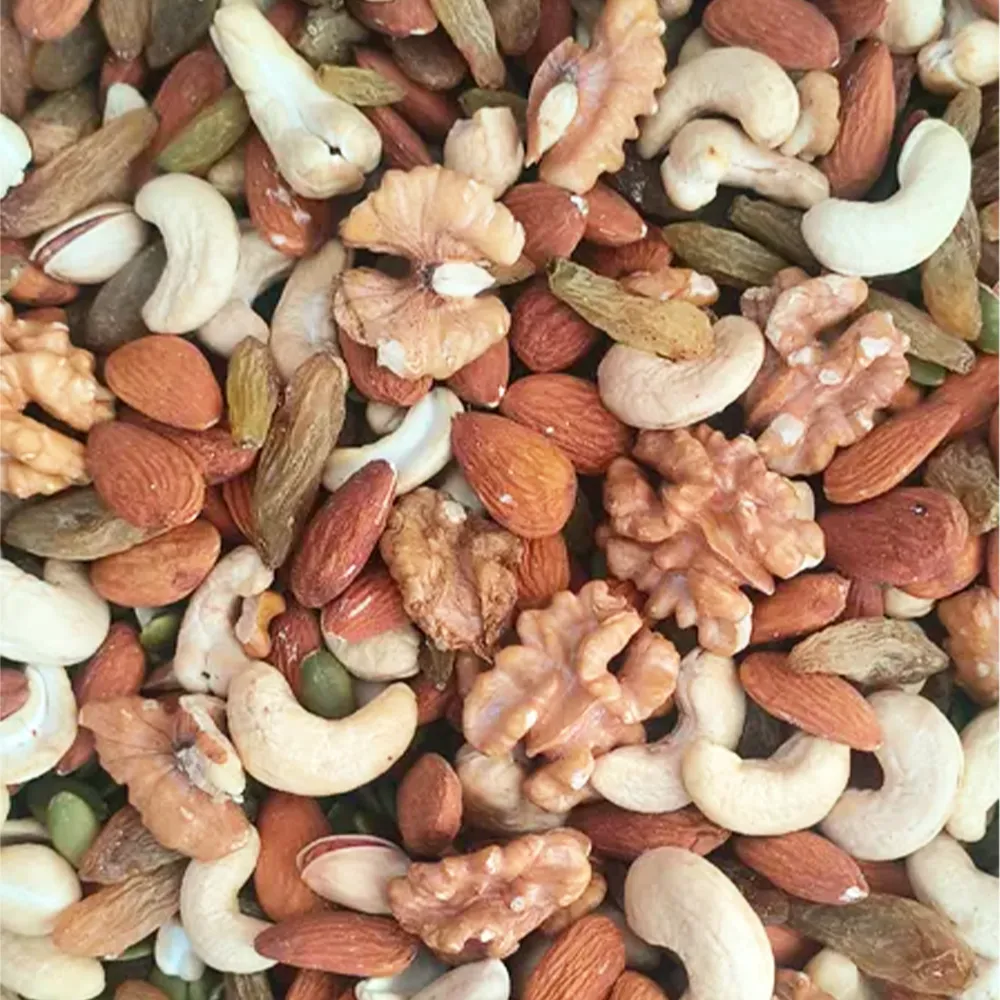
Whether you’re enjoying crunchy almonds in the morning, walnuts with breakfast, pistachios as an afternoon snack, or a mixed dry fruit blend with your evening tea, nuts are proof that healthy food doesn’t have to be boring.
Choose quality, enjoy variety, and keep portions sensible. Your daily handful of nuts may be small—but nutritionally, it packs quite a punch.