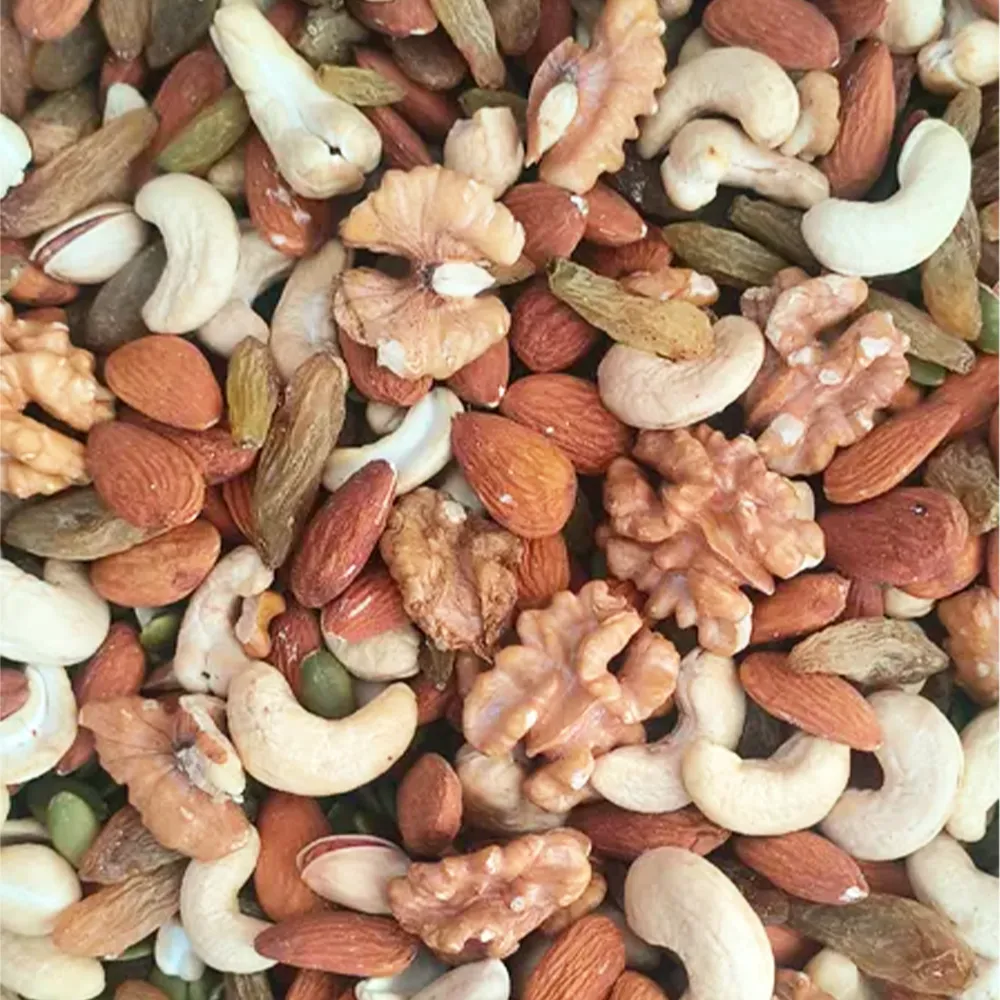




















Best Winter Dry Fruits To Stay Healthy
Top Nuts & Dry Fruits for Winter
Winter brings cold weather, cozy evenings, and plenty of cravings for warm and comforting foods. But it is also a great time to pay extra attention to your diet and choose nutritious snacks that support your everyday health. In this guide, we’ll explore the best winter dry fruits to stay healthy, their nutritional benefits, and simple ways to include them in your daily routine.
One of the easiest ways to improve your winter snacking habits is by adding dry fruits and nuts to your diet. Almonds, walnuts, pistachios, cashews, dates, figs, and raisins are naturally rich in nutrients and can be enjoyed in many delicious ways.
Why Eat Dry Fruits in Winter?
Dry fruits and nuts are nutrient-dense foods that provide a combination of healthy fats, protein, fiber, vitamins, minerals, and antioxidants.
During winter, they can be especially convenient because they are easy to store, require little preparation, and make a satisfying alternative to many highly processed snacks.
A small serving of nuts or dried fruits can be added to breakfast, enjoyed between meals, or incorporated into homemade snacks and desserts.
Let’s look at some of the best dry fruits for winter.
1. Almonds – A Nutritious Winter Snack
Almonds are among the most popular and versatile dry fruits. They contain protein, fiber, healthy fats, vitamin E, and minerals such as magnesium.
Their combination of protein, fiber, and healthy fats makes almonds a satisfying snack. Vitamin E is also an antioxidant that contributes to protecting cells from oxidative stress.
You can enjoy almonds on their own, add them to oatmeal, blend them into smoothies, or use them in homemade desserts.
Simple winter idea: Soak almonds overnight and enjoy them in the morning, or simply eat a small handful as a convenient snack.
2. Walnuts – Packed with Healthy Fats
Walnuts are an excellent addition to a balanced winter diet. They are particularly well known for their plant-based omega-3 fatty acid, ALA (alpha-linolenic acid), along with protein, fiber, and antioxidants.
Their rich, slightly earthy flavor makes them perfect for both sweet and savory foods.
Add chopped walnuts to porridge, yogurt, salads, or homemade energy bars for an easy nutritional boost.
3. Pistachios – Crunchy and Delicious
Pistachios combine great taste with valuable nutrients. They provide protein, fiber, healthy fats, and important minerals.
Their satisfying crunch makes them a great alternative to processed snacks. If you’re trying to make healthier choices during winter, keep a small portion of pistachios nearby whenever you feel like reaching for something crunchy.
For everyday snacking, choose unsalted or lightly salted pistachios when possible.
4. Cashews – A Delicious Source of Minerals
Cashews are creamy, crunchy, and naturally satisfying. They contain healthy fats, protein, magnesium, copper, and other nutrients.
They can be enjoyed as a snack or incorporated into a variety of recipes, including curries, desserts, smoothies, and homemade trail mixes.
Because nuts are calorie-dense, enjoying a moderate portion is generally better than eating large quantities at once.
5. Dates – Naturally Sweet Energy
Dates are one of the most popular dried fruits and are particularly enjoyable during winter. They provide carbohydrates, fiber, potassium, and other nutrients.
Their natural sweetness makes dates a great alternative to some heavily processed sweet snacks.
Enjoy dates with almonds or walnuts, add chopped dates to oatmeal, or use them to prepare homemade energy balls.
Tip: Dates are naturally high in sugar and calories, so enjoy them in moderation as part of a balanced diet.
6. Dried Figs (Anjeer) – A Fiber-Rich Choice
Dried figs, commonly called anjeer, provide fiber and several minerals, including calcium, potassium, and magnesium.
Their naturally sweet flavor makes them easy to enjoy as a snack. Many people prefer soaking dried figs overnight before eating them, although they can also be enjoyed as they are.
Try adding chopped anjeer to breakfast bowls, yogurt, oatmeal, or homemade snack mixes.
7. Raisins – Small but Nutrient-Dense
Raisins are dried grapes and a convenient source of carbohydrates, fiber, and minerals.
Because their water content has been removed, raisins are more concentrated than fresh grapes, making portion control important.
Add a small amount to oatmeal, cereal, yogurt, or homemade trail mix for natural sweetness.
8. Pumpkin Seeds – A Healthy Winter Addition
Although pumpkin seeds aren’t technically dry fruits, they deserve a place on your winter snack list.
They contain protein, healthy fats, magnesium, zinc, and other nutrients. Roasted pumpkin seeds can provide a satisfying crunch without relying on highly processed snacks.
Sprinkle them over salads, soups, yogurt, or breakfast bowls.
Best Ways to Eat Dry Fruits in Winter
You don’t need complicated recipes to enjoy dry fruits. Here are some simple ideas:
- Morning snack: Enjoy almonds, walnuts, or pistachios with breakfast.
- Healthy trail mix: Combine almonds, cashews, raisins, and pumpkin seeds.
- Breakfast bowl: Add chopped walnuts, almonds, dates, or figs to oatmeal.
- With milk: Enjoy a couple of dates or a small amount of mixed nuts alongside warm milk.
- Energy bites: Blend dates, almonds, walnuts, and seeds to make homemade energy balls.
- Yogurt topping: Add pistachios, raisins, or chopped figs to plain yogurt.
- Festive treats: Use dry fruits in homemade desserts and traditional recipes.
How Much Dry Fruit Should You Eat Daily?
Dry fruits and nuts are nutritious, but they are also energy-dense. Eating very large portions can add significant calories to your diet.
For many adults, around 25–30 grams of nuts per day can be a practical portion as part of a balanced diet. Dried fruits should generally be consumed in smaller portions because drying concentrates their natural sugars and calories.
Choose plain, unsweetened, and preferably unsalted products whenever possible.
People with specific dietary requirements or medical conditions should follow advice from their healthcare professional.
How to Choose Quality Dry Fruits
Not all dry fruits are the same. When shopping for nuts and dried fruits, look for products that are:
- Fresh and properly stored
- Free from unusual odors
- Clean and well-packaged
- Naturally flavorful
- Free from unnecessary added sugar
- Properly labeled
- Stored in conditions that help maintain freshness
Buying from a trusted dry fruit store can also help you get better consistency in quality and freshness.
Frequently Asked Questions About Winter Dry Fruits
Which dry fruit is best for winter?
There isn’t one single “best” dry fruit for everyone. Almonds, walnuts, pistachios, cashews, dates, figs, and raisins can all be included in a balanced winter diet. The best choice depends on your nutritional needs, preferences, and overall diet.
Can we eat dry fruits every day in winter?
Yes. Most people can include moderate portions of nuts and dried fruits in a balanced diet. Since they are calorie-dense, portion control is important.
Should dry fruits be soaked before eating?
Some people prefer soaking almonds or dried figs because it changes their texture and makes them easier to eat. However, soaking is not essential for everyone. Dry fruits can generally be enjoyed according to personal preference.
Are dry fruits good for energy?
Nuts and dried fruits provide calories and nutrients, while dried fruits are particularly rich in carbohydrates. They can therefore be convenient foods when you need an energy-rich snack.
Which dry fruits are good for healthy snacking?
Almonds, walnuts, pistachios, cashews, and small portions of dried fruits such as dates, figs, and raisins can all be part of a healthy snack routine.
Make Dry Fruits Part of Your Winter Routine
Eating well during winter doesn’t have to be complicated. A small bowl of mixed nuts, a few dried fruits with breakfast, or a homemade trail mix can make your daily diet more enjoyable and nutritious.
From almonds and walnuts to pistachios, cashews, dates, figs, raisins, and seeds, there are plenty of delicious options to choose from.
At Hashim Mart, we bring you a wide selection of quality dry fruits, nuts, seeds, honey, chocolates, and healthy snacks. Whether you’re shopping for everyday snacking, family use, or a thoughtful gift, explore our collection and bring the goodness of premium dry fruits to your home.
Shop quality dry fruits online with Hashim Mart and make every season a little healthier and tastier.