


















Almonds are one of the world’s most popular and nutritious tree nuts. Loved for their crunchy texture, mildly sweet flavor, and impressive nutritional profile, almonds have been a staple in healthy diets for centuries. Whether enjoyed as a quick snack, blended into smoothies, added to desserts, or used in savory dishes, almonds offer countless health benefits while being incredibly versatile.
If you’re looking to improve your diet naturally, here’s everything you need to know about almonds—from their nutritional value and health benefits to the best ways to enjoy them every day.

What Are Almonds?
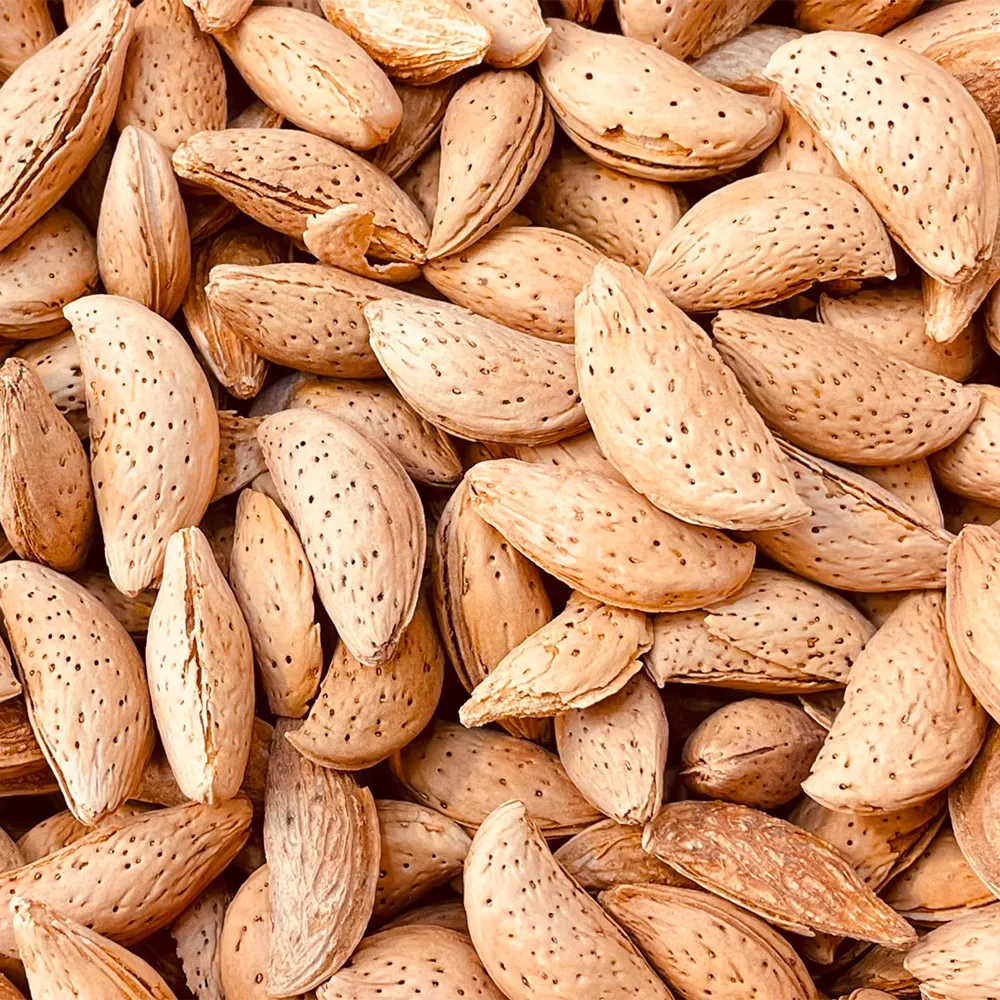
Almonds are edible seeds that grow inside the fruit of the almond tree (Prunus dulcis), native to the Middle East and South Asia. Today, almonds are cultivated in many parts of the world, including the United States, Australia, Spain, and Pakistan.
Although commonly referred to as nuts, almonds are technically seeds. They are available in various forms, including:
- Raw almonds
- Roasted almonds
- Salted almonds
- Blanched almonds
- Sliced or chopped almonds
- Almond flour
- Almond butter
- Almond milk
Each variety offers unique culinary uses while maintaining most of the nutritional benefits.

Nutritional Value of Almonds
A single handful (approximately 28 grams or 23 almonds) provides an excellent source of essential nutrients.
Almonds contain
- Healthy monounsaturated fats
- Plant-based protein
- Dietary fiber
- Vitamin E
- Magnesium
- Calcium
- Potassium
- Phosphorus
- Iron
- Antioxidants
This nutrient-rich combination makes almonds one of the healthiest snack choices available.
Top Health Benefits of Almonds
1. Supports Heart Health
Almonds are rich in heart-friendly monounsaturated fats that help maintain healthy cholesterol levels. Regular consumption may help reduce LDL (bad cholesterol) while supporting HDL (good cholesterol), contributing to better cardiovascular health.
2. Excellent Source of Vitamin E
Vitamin E is a powerful antioxidant that protects your body’s cells from oxidative stress. It also supports healthy skin, strengthens the immune system, and promotes healthy aging.
3. Helps Manage Weight
Although almonds are calorie-dense, they can actually support weight management. Their combination of protein, healthy fats, and fiber keeps you feeling full for longer, helping reduce unnecessary snacking and overeating.
4. Supports Brain Function
Almonds have long been associated with brain health. They contain nutrients like vitamin E and healthy fats that support cognitive function and may help maintain memory and concentration as you age.
5. Promotes Healthy Digestion
The dietary fiber in almonds supports digestive health by promoting regular bowel movements and feeding beneficial gut bacteria.
6. Helps Control Blood Sugar
Almonds are naturally low in carbohydrates and high in healthy fats, protein, and magnesium. This makes them an excellent snack for people looking to maintain stable blood sugar levels.
7. Strengthens Bones
With calcium, magnesium, phosphorus, and protein, almonds contribute to stronger bones and teeth, making them an important addition to a balanced diet.
8. Supports Healthy Skin and Hair
The vitamin E, healthy fats, and antioxidants found in almonds help nourish the skin from within, improving hydration and protecting against environmental damage. They also contribute to healthier, shinier hair.
Different Types of Almonds
There are several popular almond varieties available in the market:
- California Almonds: Large, crunchy, and widely available.
- Australian Almonds: Known for their premium quality and consistent size.
- Kaghzi Almonds: Thin-shelled almonds with naturally sweet kernels.
- Talwar Almonds: Soft-shell almonds that are easy to crack and rich in flavor.
- Mamra Almonds: Premium almonds valued for their rich taste and higher natural oil content.
Each variety offers a unique taste and texture, making it easy to find one that suits your preference.
Best Ways to Eat Almonds
Almonds are incredibly versatile and can be enjoyed in many ways:
- Eat them as a healthy snack.
- Add chopped almonds to oatmeal or breakfast cereal.
- Mix them into yogurt.
- Blend into smoothies.
- Sprinkle over salads.
- Use in baking cookies, cakes, and bread.
- Prepare homemade almond butter.
- Add to rice dishes and desserts.
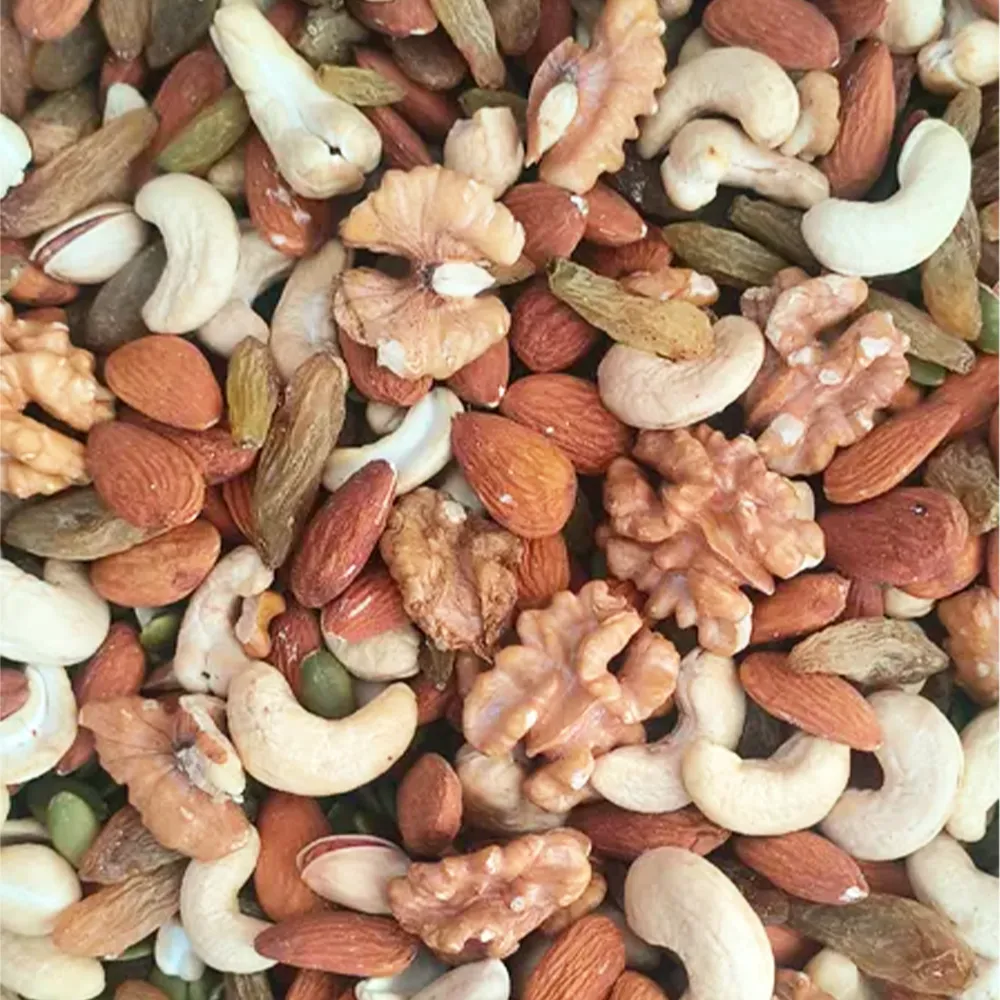
- Mix with dried fruits for a nutritious trail mix.
They pair especially well with dates, raisins, walnuts, pistachios, and cashews.
How Many Almonds Should You Eat Daily?
Most nutrition experts recommend consuming 20–25 almonds (about one handful) per day. This amount provides a healthy balance of nutrients without excessive calorie intake.
People with higher energy needs, such as athletes, may consume slightly more as part of a balanced diet.
Should You Eat Soaked or Raw Almonds?
Both soaked and raw almonds offer excellent nutritional benefits.
- Raw almonds retain their natural crunch and fiber.
- Soaked almonds become softer and are preferred by some people because they are easier to chew and digest.
The choice largely depends on personal preference.
How to Store Almonds
To maintain freshness:
- Store almonds in an airtight container.
- Keep them in a cool, dry place.
- Refrigerate or freeze them for long-term storage.
- Protect them from moisture and direct sunlight to preserve their natural oils and flavor.
Proper storage helps prevent almonds from becoming rancid.
Final Thoughts
Almonds are a nutritional powerhouse that deserves a place in every healthy diet. Rich in protein, healthy fats, fiber, vitamins, minerals, and antioxidants, they support heart health, brain function, digestion, weight management, strong bones, and glowing skin.
Whether you enjoy them raw, roasted, soaked, or incorporated into your favorite recipes, a daily handful of premium-quality almonds can be a simple yet powerful step toward better health. Choose fresh, high-quality almonds from trusted sources to enjoy the best flavor, texture, and nutritional value with every bite.