

















The Ultimate Guide to Eating Seeds: Pumpkin, Sunflower & More
Seeds may be small, but they are among the most nutrient-dense foods you can add to your daily diet. Packed with healthy fats, plant-based protein, fiber, vitamins, and essential minerals, edible seeds offer numerous health benefits while being incredibly versatile. Whether you’re looking to improve heart health, strengthen immunity, or simply enjoy a healthy snack, seeds deserve a place in your pantry.
In this ultimate guide, we’ll explore the nutritional benefits of pumpkin seeds, sunflower seeds, and other popular edible seeds, along with the best ways to enjoy them every day.
Why Are Seeds So Healthy?
Seeds are nature’s powerhouse of nutrition. They contain the nutrients needed to grow an entire plant, making them exceptionally rich in beneficial compounds. Most edible seeds are high in antioxidants, healthy unsaturated fats, dietary fiber, and essential minerals such as magnesium, zinc, iron, and selenium.
Regularly eating a handful of mixed seeds can help
- Support heart health
- Improve digestion
- Strengthen the immune system
- Maintain healthy skin and hair
- Promote better energy levels
- Support weight management by keeping you fuller for longer
Pumpkin Seeds – A Superfood for Everyday Health
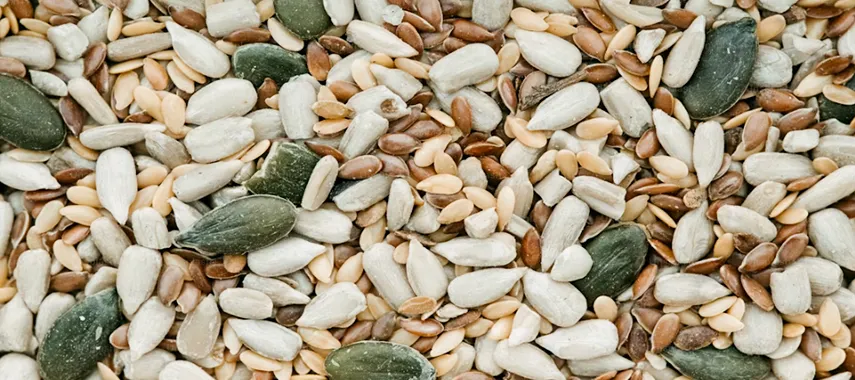
Pumpkin seeds, also known as pepitas, are among the healthiest seeds available. They have a pleasant nutty flavor and a satisfying crunch, making them perfect as a snack or recipe ingredient.
Health Benefits of Pumpkin Seeds
Rich in Magnesium: Magnesium supports muscle function, nerve health, and healthy blood pressure.
High in Protein: Pumpkin seeds provide plant-based protein, making them an excellent option for vegetarians and fitness enthusiasts.
Supports Heart Health: Healthy fats and antioxidants help reduce inflammation and support cardiovascular health.
Boosts Immunity: Their high zinc content contributes to a stronger immune system and promotes wound healing.
Improves Sleep: Pumpkin seeds naturally contain tryptophan, an amino acid associated with better sleep quality.
Enjoy them roasted, raw, or sprinkled over salads, yogurt, smoothies, or oatmeal.
Sunflower Seeds – Tiny Seeds with Big Nutrition
Sunflower seeds are another excellent addition to a healthy lifestyle. Their mild, nutty taste makes them suitable for both sweet and savory dishes.
Benefits of Sunflower Seeds
Excellent Source of Vitamin E: This powerful antioxidant helps protect cells from damage and supports healthy skin.
Heart-Friendly Fats: Rich in unsaturated fats that may help maintain healthy cholesterol levels.
Supports Brain Function: Sunflower seeds contain nutrients that contribute to cognitive health and nervous system function.
High in Fiber: Fiber promotes healthy digestion and supports gut health.
Good Source of Selenium: Selenium plays an important role in thyroid function and immune support.
A handful of sunflower seeds makes a satisfying midday snack without excessive calories.
Other Healthy Seeds Worth Adding to Your Diet
Flax Seeds
Flax seeds are well known for their omega-3 fatty acids and soluble fiber. Ground flax seeds can be added to smoothies, yogurt, cereals, or baking recipes to support heart health and digestive wellness.
Chia Seeds
Chia seeds absorb water and form a gel-like texture, making them ideal for puddings and smoothies. They are rich in fiber, calcium, protein, and omega-3 fatty acids.
Sesame Seeds
Sesame seeds provide calcium, iron, magnesium, and healthy fats. They are commonly used in breads, salads, Asian dishes, and tahini.
Watermelon Seeds
Roasted watermelon seeds are gaining popularity as a nutritious snack. They contain protein, magnesium, iron, and healthy fats that support overall wellness.
Best Ways to Eat Seeds
Adding seeds to your meals is simple and delicious. Here are some easy ideas:
- Sprinkle them over breakfast cereals or oatmeal.
- Mix them into yogurt.
- Add them to smoothies.
- Include them in homemade granola.
- Toss them into salads for extra crunch.
- Use them in baking bread, muffins, and cookies.
- Enjoy roasted mixed seeds as a healthy evening snack.
- Add them to trail mixes with dry fruits and nuts.
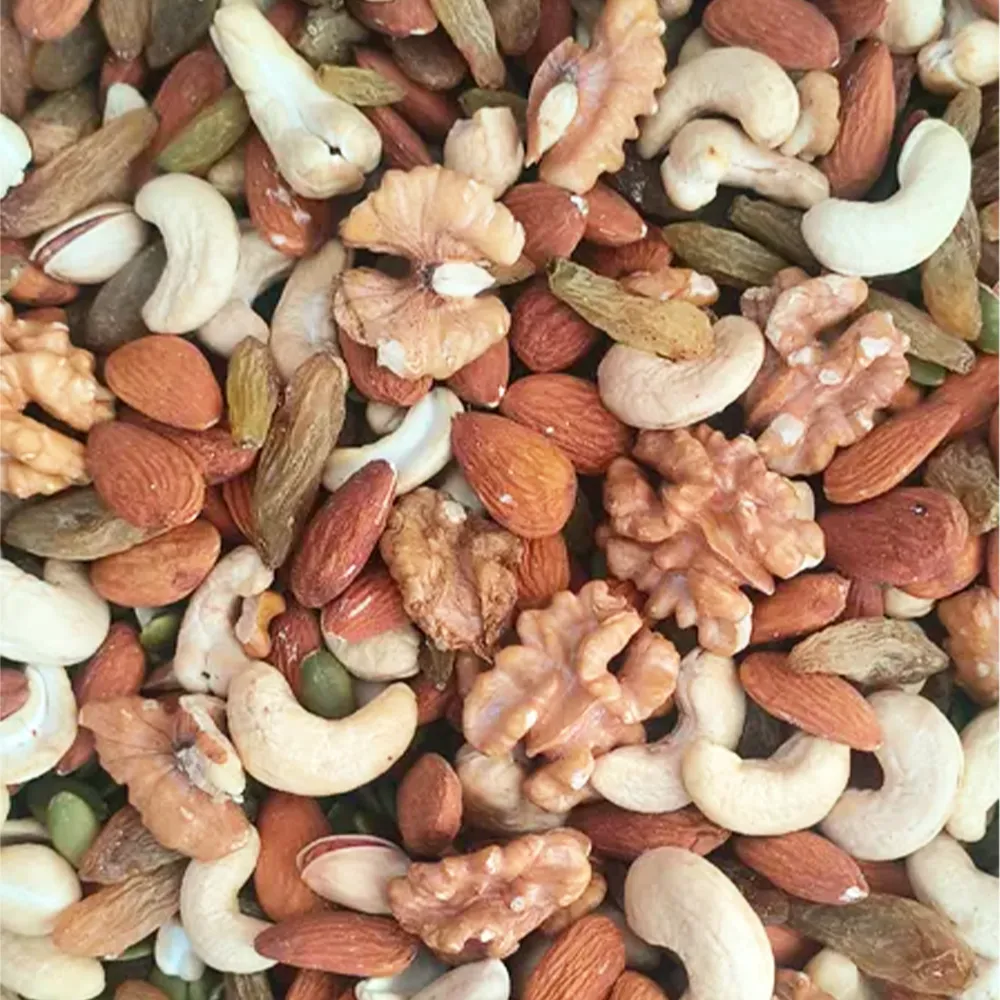
Combining seeds with almonds, walnuts, raisins, and other dry fruits creates a nutrient-rich snack that provides lasting energy throughout the day.
How Much Should You Eat?
While seeds are highly nutritious, moderation is important because they are calorie-dense. Most nutrition experts recommend consuming approximately 20–30 grams (about one handful) of mixed seeds daily as part of a balanced diet.
Those with allergies or medical conditions should consult a healthcare professional before making significant dietary changes.
Tips for Buying and Storing Seeds
To enjoy maximum freshness and nutrition:
- Purchase seeds from trusted suppliers.
- Choose fresh, clean, and high-quality products.
- Store seeds in airtight containers.
- Keep them in a cool, dry place away from sunlight.
- Refrigerate or freeze larger quantities to maintain freshness for longer.
Premium-quality seeds retain better flavor, texture, and nutritional value.
Final Thoughts
Pumpkin seeds, sunflower seeds, flax seeds, chia seeds, sesame seeds, and other edible seeds are simple yet powerful additions to a healthy diet. Their impressive nutritional profile supports heart health, digestion, immunity, energy, and overall well-being.
Whether you enjoy them roasted as a snack or add them to your favorite meals, seeds provide an easy and delicious way to boost your daily nutrition. For the best taste and health benefits, always choose premium-quality seeds from a trusted source like Hashim Mart and make these tiny nutritional powerhouses part of your everyday routine.