

















Pregnancy Nutrition: Safe Dry Fruits to Eat
Pregnancy is an exciting journey, but it also comes with plenty of questions—especially when it comes to food. What should you eat? What should you avoid? And how can you make sure you and your growing baby are getting the nutrients you need?
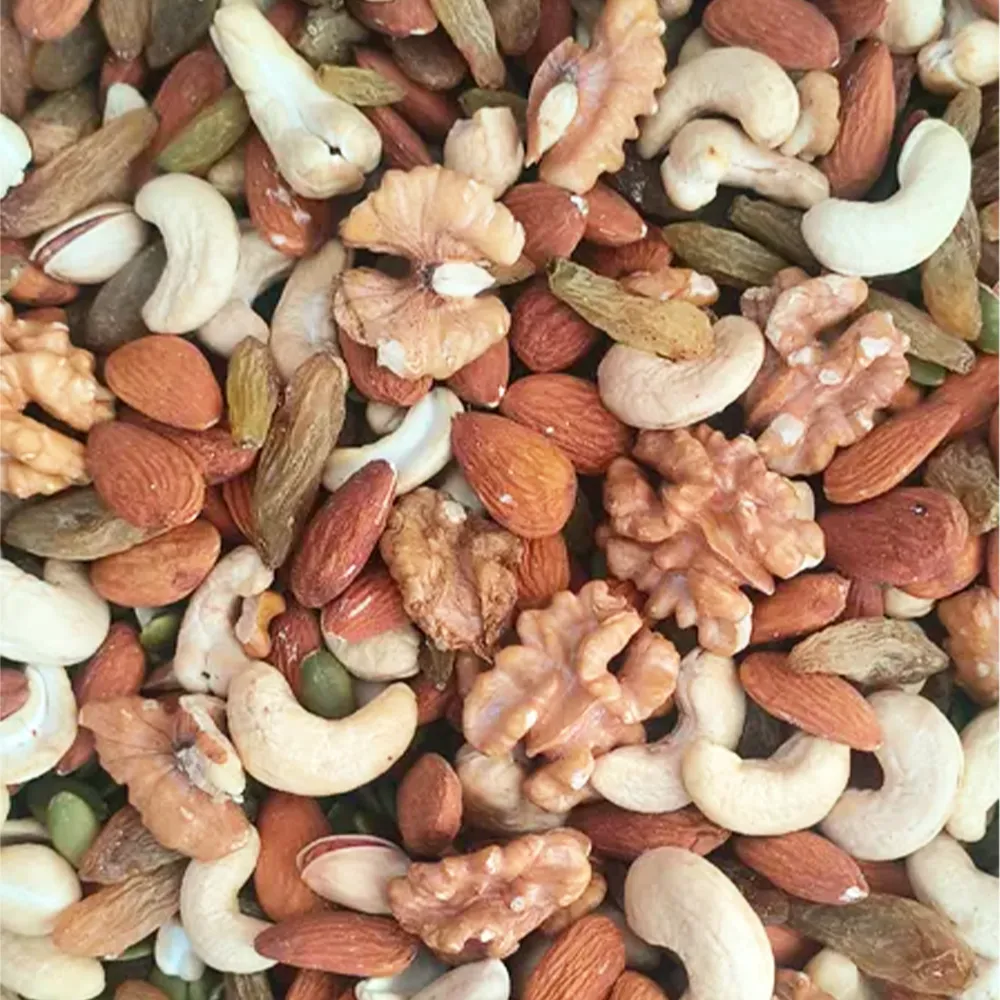
Dry fruits can be a nutritious addition to a pregnancy diet. They are naturally rich in energy, healthy fats, fiber, vitamins, minerals, and antioxidants. However, portion size and preparation matter. Let’s explore some pregnancy-friendly dry fruits and how to enjoy them safely.
Why Are Dry Fruits Beneficial During Pregnancy?
During pregnancy, your nutritional needs increase as your body supports your baby’s growth and development. Dry fruits can be a convenient snack when you need something quick and filling.
Nuts such as almonds and walnuts provide healthy fats, protein, and minerals, while dried fruits such as dates, raisins, and figs can provide carbohydrates, fiber, and naturally occurring sugars.
Because dried fruits are concentrated versions of fresh fruits, a small serving can provide plenty of calories and nutrients. That makes them useful—but also a reason to avoid eating large amounts at once.
Panjiri: Traditional Nutrition for Pregnancy and Postpartum Period
Panjiri is a traditional nutrient-rich food made with whole wheat, desi ghee, nuts, seeds, and dried fruits. It provides energy, healthy fats, protein, fiber, and essential minerals, making it a nourishing addition to a pre-pregnancy and postpartum diet. Enjoy it in moderation as part of a balanced diet, especially during breastfeeding and recovery after childbirth.
1. Almonds: A Nutrient-Rich Snack
Almonds are one of the most popular nuts to include during pregnancy. They provide protein, fiber, healthy fats, magnesium, and vitamin E.
Their combination of protein and healthy fats can help make a snack more satisfying. You can enjoy a small handful of unsalted almonds on their own or add chopped almonds to oatmeal, yogurt, or smoothies.
There is no need to soak almonds for safety or nutritional reasons, although some people prefer soaked almonds because they are softer and easier to eat.
2. Walnuts: A Source of Healthy Fats
Walnuts are particularly interesting during pregnancy because they contain omega-3 fatty acids, including ALA (alpha-linolenic acid), a plant-based omega-3 fat.
Healthy fats are an important part of a balanced pregnancy diet. Walnuts also provide protein, fiber, magnesium, and other micronutrients.
Try adding a few walnut halves to breakfast cereal, oatmeal, or a homemade trail mix. As with other nuts, moderation is key.
3. Dates: Naturally Sweet and Convenient
Dates are naturally sweet and provide carbohydrates, fiber, potassium, magnesium, and other nutrients. They can be a convenient alternative to highly processed sweet snacks.
Dates can be eaten alone, chopped into oatmeal, blended into smoothies, or combined with nuts for a nutritious snack.
Because dates are high in natural sugar and calories, keep portions reasonable, particularly if your healthcare provider has advised you to monitor your blood glucose.
4. Raisins: Small but Nutrient-Dense
Raisins are dried grapes and contain fiber, carbohydrates, and minerals such as potassium and iron.
A small portion can be added to breakfast cereal, porridge, yogurt, or homemade energy bites. Choose plain raisins without unnecessary added sugar.
Remember that dried fruit is more concentrated than fresh fruit, so it is easy to eat more than you realize. A small serving is generally enough for a snack.
5. Dried Figs: A Fiber-Friendly Choice
Dried figs are another option for pregnancy snacking. They contain fiber, potassium, calcium, and other nutrients.
Their fiber content can be helpful as part of an overall balanced diet, particularly because constipation is common during pregnancy. However, increasing fiber should go hand in hand with adequate fluid intake.
Enjoy a couple of dried figs as a snack or chop them into oatmeal or yogurt.
6. Cashews: Creamy, Crunchy, and Nutritious
Cashews provide healthy fats, protein, magnesium, copper, and other nutrients. Their creamy texture also makes them easy to add to meals and snacks.
Choose plain, unsalted cashews whenever possible. Flavored or heavily salted varieties may contain excessive sodium, added oils, or other ingredients that you may not need.
How Much Dry Fruit Should You Eat During Pregnancy?
There isn’t one universal portion size that works for every pregnant woman. Your nutritional needs depend on factors such as your overall diet, activity level, stage of pregnancy, and health conditions.
As a general snack idea, a small handful of nuts or a small portion of dried fruit can fit into a balanced diet. Instead of eating a large quantity in one sitting, consider spreading portions throughout the day.
If you have gestational diabetes, food allergies, digestive problems, or another pregnancy-related condition, ask your doctor or registered dietitian about appropriate portions.
Important Safety Tips
Not all dry-fruit products are equally suitable during pregnancy. Keep these simple tips in mind:
- Choose fresh, good-quality nuts and dried fruits from reputable sources.
- Check packaging for freshness and expiry dates.
- Avoid nuts if you have a known nut allergy.
- Prefer unsalted nuts over heavily salted varieties.
- Choose dried fruits with little or no added sugar.
- Avoid products containing ingredients you have been advised to avoid.
- Store nuts and dried fruits properly to maintain freshness.
- Wash your hands before handling food and follow normal food-safety practices.
Also remember that dry fruits are not a substitute for a varied pregnancy diet. Include vegetables, fresh fruits, whole grains, legumes, dairy or suitable alternatives, and adequate protein according to your individual nutritional needs.
The Bottom Line
Dry fruits can be a delicious and convenient part of pregnancy nutrition. Almonds, walnuts, dates, raisins, figs, and cashews can provide valuable nutrients such as healthy fats, fiber, protein, and minerals.
The key is variety, moderation, and quality. Choose minimally processed products, watch portion sizes, and enjoy them alongside a balanced diet.
Most importantly, every pregnancy is different. If you have a medical condition, food allergy, gestational diabetes, or specific dietary restrictions, speak with your doctor or qualified dietitian before making significant changes to your diet.
With the right choices and sensible portions, dry fruits can be a simple, tasty way to add extra nutrition to your pregnancy meals and snacks.