













Healthy Snack Ideas for Kids
Kids are always on the move—running, playing, studying, and discovering something new. With all that energy, it is natural for them to feel hungry between meals. That is where healthy snacks come in.
The right snacks can provide children with important nutrients and steady energy while also helping them develop healthy eating habits. The good news? Healthy snacks do not have to be boring. With a little creativity, you can turn simple ingredients into delicious treats that kids will actually enjoy.
Why Are Healthy Snacks Important for Kids?
Children have smaller stomachs than adults, so they may need to eat more frequently throughout the day. Nutritious snacks can help fill the gap between meals and provide essential nutrients such as protein, healthy fats, fiber, vitamins, and minerals.
A good snack can also help children stay energetic and focused during school, homework, sports, and playtime.
The key is to choose snacks that offer nutritional value rather than simply satisfying hunger.
1. Fresh Fruits
Fresh fruits are one of the easiest and healthiest snack choices for children. Apples, bananas, oranges, strawberries, grapes, mangoes, and pears are naturally sweet and packed with vitamins, minerals, and fiber.
Try making fruit more exciting by:
- Cutting fruit into fun shapes
- Creating colorful fruit skewers
- Mixing different fruits into a small fruit salad
- Serving apple slices with a little nut butter
A colorful plate can make healthy food much more appealing to children.
2. Dry Fruits and Nuts
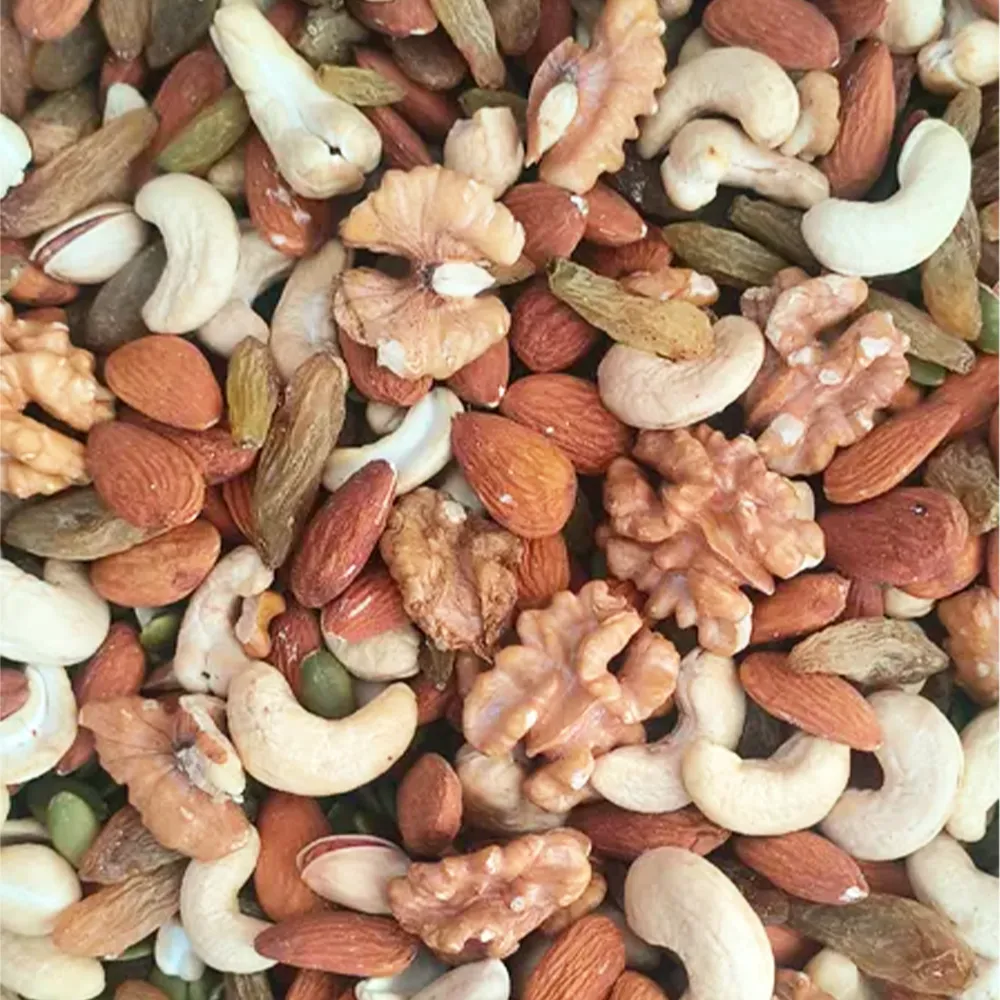
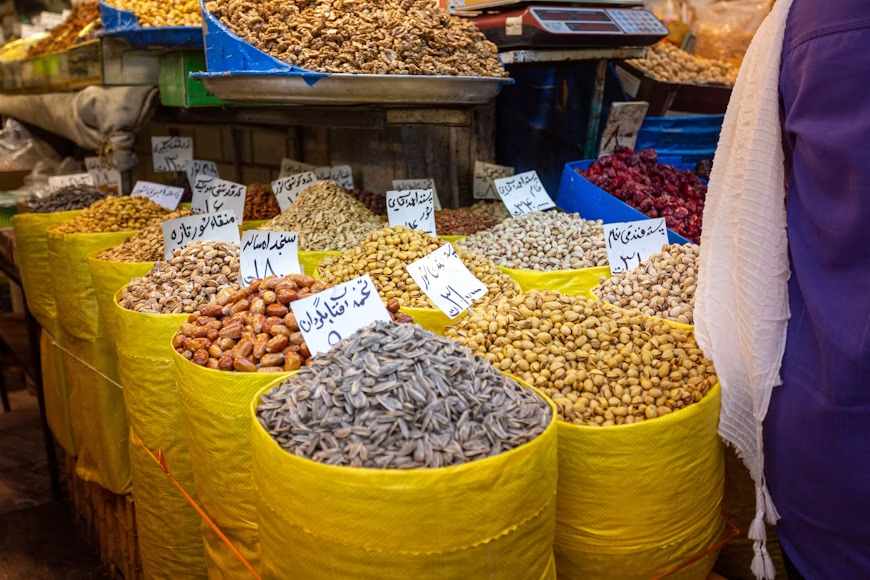
Dry fruits and nuts can make an excellent nutrient-rich snack when served in age-appropriate portions. Almonds, walnuts, pistachios, cashews, raisins, dates, and dried figs provide nutrients including healthy fats, protein, fiber, and various vitamins and minerals.
For younger children, whole nuts can present a choking hazard. Choose age-appropriate forms such as finely chopped nuts or smooth nut butter, depending on the child’s age and your pediatrician’s advice.
You can also mix a small amount of dried fruit with oats or cereal to create a homemade snack mix.
3. Yogurt with Fruit
Plain or low-sugar yogurt combined with fresh fruit is another simple snack idea. Yogurt provides protein and calcium, while fruit adds natural sweetness and fiber.
For a fun presentation, layer yogurt, chopped fruit, and a small amount of oats in a glass or bowl. It looks like a dessert but can be a much more nutritious option.
4. Homemade Trail Mix
Kids often enjoy snacks they can mix and customize themselves. Make a homemade trail mix using ingredients such as unsweetened cereal, raisins, dried cranberries, pumpkin seeds, sunflower seeds, and age-appropriate nuts.
Let your child choose a few ingredients. Giving children some control over their snack can make them more interested in trying nutritious foods.
Avoid adding too much chocolate, candy, or sugary cereal if your goal is to keep the mix healthy.
5. Peanut Butter and Banana Toast
Whole-grain toast topped with peanut butter and banana slices is a quick snack that combines carbohydrates, protein, and healthy fats.
For children with nut allergies, alternatives such as sunflower seed butter may be suitable. Always check school and daycare allergy policies before sending nut-containing snacks.
6. Vegetable Sticks with Dip
Vegetables can sometimes be a tough sell to kids—but presentation can make a big difference.
Cut carrots, cucumbers, bell peppers, and other suitable vegetables into sticks and serve them with hummus or yogurt-based dip.
Instead of simply saying, “Eat your vegetables,” make snack time interactive. Let children dip, arrange, and create their own colorful combinations.
7. Homemade Energy Bites
Homemade energy bites are convenient for busy families. You can combine ingredients such as oats, nut or seed butter, mashed banana, and finely chopped dried fruit.
Make small bite-sized portions and keep them refrigerated. Since recipes vary and some ingredients may not be suitable for young children, choose ingredients according to your child’s age and dietary needs.
8. Boiled Eggs
Boiled eggs are a simple source of protein and can be prepared in advance. Pair an egg with whole-grain toast, fruit, or some vegetables for a balanced snack.
If your child does not enjoy plain eggs, try slicing them into fun shapes or serving them alongside foods they already love.
9. Homemade Popcorn
For older children who can safely eat popcorn, plain homemade popcorn can be a satisfying whole-grain snack. Keep added salt, butter, and sugar modest.
Popcorn is not suitable for very young children because of its choking risk, so always consider your child’s age and ability to chew safely.
10. Smoothies
Smoothies are a clever way to combine several nutritious ingredients in one tasty drink. Try blending milk or yogurt with banana, berries, and other fruits.
You can also add oats or nut/seed butter for extra nutrition, depending on your child’s dietary needs.
The trick is not to overload smoothies with added sugar. Let the natural sweetness of fruit do most of the work.
How to Make Healthy Snacks More Appealing
Sometimes the challenge is not finding healthy foods—it is convincing kids to eat them.
Here are a few simple ideas:
Keep portions small: A large plate can feel overwhelming. Start with a small serving and offer more if your child is still hungry.
Make food colorful: Different colors naturally make a snack more interesting.
Let kids participate: Allow children to wash fruit, mix ingredients, or arrange snacks on their plates.
Offer variety: Rotate snacks instead of serving the same thing every day.
Keep healthy options available: Children are more likely to choose nutritious foods when they are easy to see and reach.
A Simple Formula for Better Snacks
You do not need complicated recipes to create nutritious snacks. A useful approach is to combine two or more food groups.
For example:
- Fruit + yogurt
- Banana + nut or seed butter
- Whole-grain toast + egg
- Vegetables + hummus
- Dried fruit + age-appropriate nuts or seeds
- Oatmeal + fruit
This simple combination can help make snacks more satisfying and varied.
Final Thoughts
Healthy snacking is not about making every snack perfect. It is about creating a balanced routine and helping children develop a positive relationship with nutritious foods.
Keep fresh fruits, vegetables, yogurt, whole grains, and suitable nuts or seeds available, introduce new foods gradually, and make snack time enjoyable rather than stressful.
After all, the best healthy snack is often the one that is nutritious, tasty, easy to prepare, and something your child is happy to eat.