


















The Complete Guide to Dry Fruit Storage
Dry fruit storage is a simple process to enhance their freshness and shelf life. Dry fruits and nuts are delicious, nutritious, and convenient snacks, but they can lose their freshness if they are not stored properly. Almonds, walnuts, pistachios, cashews, raisins, dates, figs, and other dry fruits contain natural oils and moisture that can affect their quality over time.
The good news? Proper storage is simple. With the right containers, temperature, and storage location, you can keep your dry fruits fresh, crunchy, flavorful, and nutritious for much longer.
Here is your complete guide to storing dry fruits the right way.
Why Proper Dry Fruit Storage Matters
Dry fruits may have a longer shelf life than fresh fruits, but they are not immune to spoilage. Exposure to heat, moisture, air, light, and insects can reduce their quality.
Improperly stored nuts may develop a stale or rancid smell and taste because their natural oils oxidize. Dried fruits such as raisins, dates, and figs can become excessively hard, sticky, or susceptible to mold when exposed to unsuitable conditions.
Proper storage helps preserve:
- Freshness and natural flavor
- Crunchy texture
- Nutritional quality
- Natural aroma
- Shelf life
- Overall eating quality
1. Choose the Right Storage Container
One of the easiest ways to protect dry fruits is to store them in an airtight container.
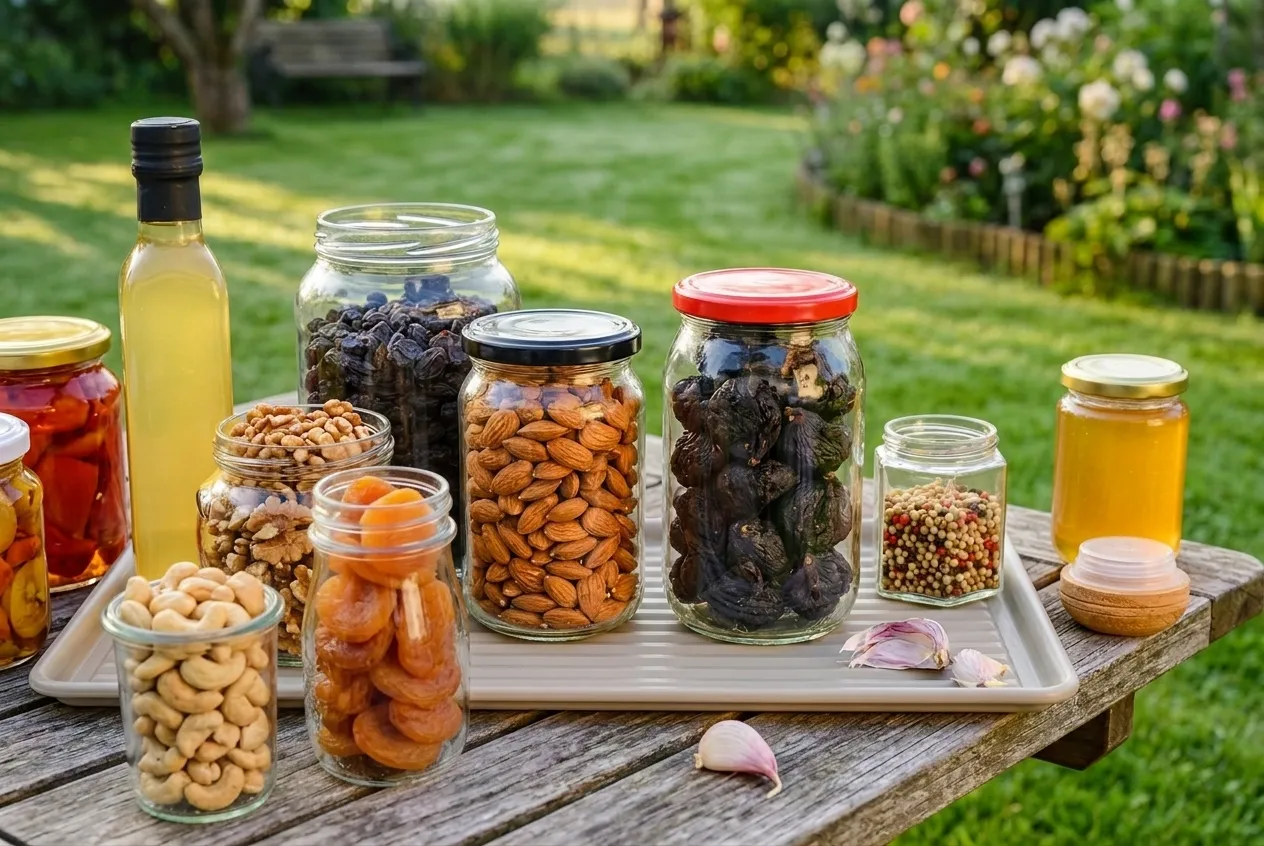
Glass jars, food-grade plastic containers, and high-quality airtight storage boxes are excellent choices. Make sure the container closes tightly and does not allow air or moisture to enter.
For nuts such as almonds, cashews, pistachios, and walnuts, airtight containers are particularly useful because they reduce exposure to oxygen, which can cause the natural oils to become rancid.
If you’re storing several varieties, consider using separate containers instead of mixing everything together. Different dry fruits can have different moisture levels and aromas.
2. Keep Dry Fruits Away from Heat
Heat is one of the biggest enemies of nuts and dry fruits. High temperatures can speed up oxidation and cause nuts to lose their freshness more quickly.
Avoid storing dry fruits near:
- Ovens and stoves
- Direct sunlight
- Hot kitchen appliances
- Areas with poor ventilation
For short-term storage, a cool, dry kitchen cabinet or pantry is usually suitable.
3. Refrigeration: When Is It Necessary?
Refrigeration can significantly extend the freshness of many dry fruits, particularly nuts with a higher natural oil content.
Almonds, walnuts, pistachios, cashews, and pine nuts can benefit from refrigeration when you plan to store them for an extended period.
Before placing them in the refrigerator, make sure they are sealed in an airtight container or moisture-resistant bag. This prevents them from absorbing odors from other foods.
When you want to eat refrigerated nuts, allow them to come closer to room temperature before opening the container. This helps minimize condensation and moisture exposure.
4. Freeze Dry Fruits for Long-Term Storage
If you have purchased dry fruits in bulk or want to store them for several months, freezing can be an excellent option.
Nuts such as walnuts, almonds, pistachios, and cashews can generally be frozen in airtight, freezer-safe containers or bags.
Remove as much air as possible before sealing the package. Divide large quantities into smaller portions so you only take out what you need.
Avoid repeatedly freezing and thawing the same batch, as temperature fluctuations can affect texture and freshness.
5. Store Dried Fruits Differently
Not all dry fruits should be treated exactly the same way. Dried fruits such as raisins, dates, figs, apricots, and dried berries may contain more moisture than nuts.
For short-term storage, keep them in a cool, dry place inside a sealed container. If your environment is particularly warm or humid, refrigeration can help preserve their quality.
Always check dried fruits for unusual odors, visible mold, or significant changes in texture before consuming them.
6. Protect Dry Fruits from Moisture
Moisture can quickly damage dry fruits. It may cause dried fruits to become sticky and can encourage mold growth.
Never store dry fruits in a damp cupboard or leave the container open for long periods.
Also, use a completely dry spoon or scoop when taking dry fruits from the container. Introducing water or moisture into the container can shorten its shelf life.
7. Buy the Right Quantity
One of the best storage strategies is simply to avoid buying more than you can reasonably consume.
If you enjoy different varieties, purchase smaller quantities and replenish them regularly. For bulk purchases, divide the dry fruits into smaller airtight portions and keep only the amount you expect to use soon in your pantry.
How to Tell If Dry Fruits Have Gone Bad
Always check your dry fruits before eating them. Signs of spoilage may include:
- Rancid or unpleasant smell
- Bitter or unusual taste
- Visible mold
- Excessive moisture
- Unusual discoloration
- Insect infestation
If something smells or tastes noticeably wrong, it is better to discard it rather than take a chance.
Final Thoughts
Storing dry fruits properly does not require complicated equipment. The basic formula is simple: keep them cool, dry, airtight, and away from direct sunlight.
For everyday use, airtight containers in a cool pantry can work well. For longer storage, refrigeration or freezing can help preserve the freshness of many nuts and dry fruits.
Whether you buy almonds, walnuts, pistachios, cashews, raisins, dates, figs, or a delicious mixed dry fruit selection, proper storage allows you to enjoy their natural taste, texture, and quality for longer.
A little care after purchase can make a big difference, so store your dry fruits properly and enjoy every handful while it’s fresh and delicious!