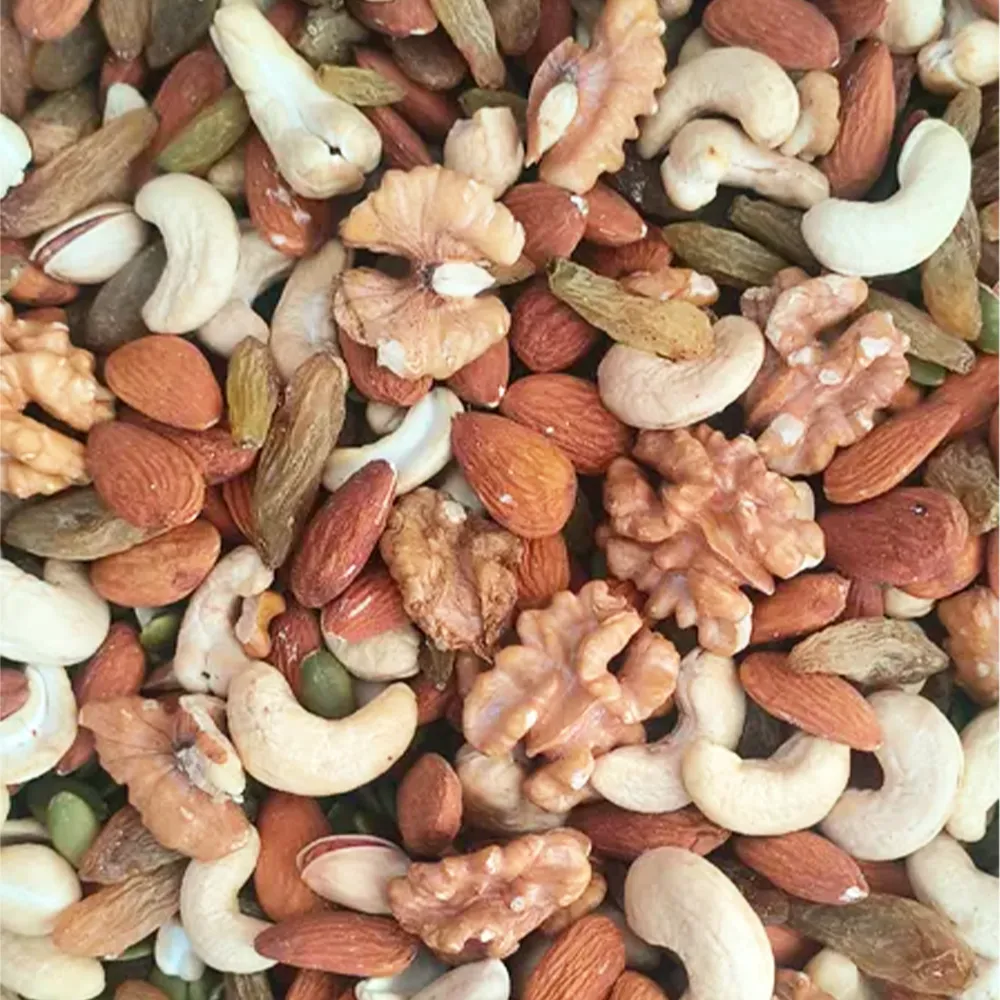




















Best Dry Fruits for Heart Health
Nature’s Delicious Way to Support a Healthy Heart
Your heart works tirelessly every second of the day, making it one of the most important organs in your body. Maintaining heart health isn’t just about regular exercise. It also starts with the food you eat. Among the healthiest natural snacks available, dry fruits stand out for their exceptional nutritional value and heart-friendly benefits.
Packed with healthy fats, dietary fiber, antioxidants, vitamins, and essential minerals, dry fruits can help reduce bad cholesterol, regulate blood pressure, and support overall cardiovascular health. The best part? They’re delicious, convenient, and easy to include in your daily routine.
Let’s explore the best dry fruits for heart health and discover why they deserve a place in your everyday diet.
1. Almonds – The Heart’s Best Friend
Almonds are widely regarded as one of the healthiest nuts for maintaining a strong heart. They are rich in monounsaturated fats, vitamin E, magnesium, and fiber—all nutrients known to support cardiovascular health.
Regular consumption of almonds may help:
- Lower LDL (bad) cholesterol levels
- Increase HDL (good) cholesterol
- Improve blood vessel function
- Reduce inflammation
A handful of almonds each day makes an excellent snack and can also be added to oatmeal, yogurt, smoothies, or salads for extra nutrition.
2. Walnuts – Rich in Heart-Healthy Omega-3
Walnuts are unique among dry fruits because they contain high amounts of plant-based omega-3 fatty acids (ALA), which are known for their heart-protective properties.
Benefits of walnuts include:
- Supporting healthy cholesterol levels
- Reducing inflammation
- Improving blood vessel health
- Helping maintain healthy blood pressure
Their slightly earthy flavor makes them perfect for breakfast bowls, baked goods, or simply enjoyed on their own.
3. Pistachios – Small Nuts with Big Benefits
Pistachios are loaded with protein, fiber, healthy fats, potassium, and antioxidants. Studies suggest that regular pistachio consumption may contribute to better heart health by improving cholesterol levels and supporting healthy circulation.
Pistachios may help:
- Lower bad cholesterol
- Increase good cholesterol
- Improve blood vessel flexibility
- Promote healthy blood pressure
Choose unsalted or lightly salted pistachios whenever possible to avoid excess sodium.
4. Cashew Nuts – A Source of Healthy Minerals
Cashew nuts provide heart-friendly unsaturated fats along with magnesium, copper, and zinc. Magnesium is particularly important because it helps regulate blood pressure and supports normal heart function.
Eating cashews in moderation may:
- Support healthy blood pressure
- Improve cholesterol balance
- Provide energy and essential minerals
- Support healthy metabolism
Since cashews are calorie-dense, stick to moderate portions as part of a balanced diet.
5. Raisins – Naturally Sweet and Heart Friendly
Raisins are dried grapes that provide natural sweetness along with fiber, potassium, and antioxidants. They are a healthier alternative to refined sugary snacks.
Health benefits include:
- Supporting healthy blood pressure through potassium
- Providing antioxidants that combat oxidative stress
- Promoting digestive health with dietary fiber
Add raisins to cereals, trail mixes, desserts, or enjoy them as a quick energy-boosting snack.
6. Dried Figs – Fiber-Rich Nutrition
Dried figs are an excellent source of dietary fiber, calcium, potassium, and antioxidants. Fiber plays an important role in maintaining healthy cholesterol levels and supporting digestive health.
Dried figs may:
- Help reduce cholesterol absorption
- Support blood pressure regulation
- Improve digestive health
- Provide long-lasting energy
Their naturally sweet taste also makes them an excellent replacement for processed sweets.
How Dry Fruits Support Heart Health
Dry fruits benefit the cardiovascular system in several ways:
- Healthy fats: Unsaturated fats help reduce harmful cholesterol while supporting healthy blood vessels.
- Dietary fiber: Fiber helps lower cholesterol and promotes healthy digestion.
- Antioxidants: These protect the heart from damage caused by free radicals.
- Magnesium and potassium: Both minerals help regulate blood pressure and maintain normal heart rhythm.
- Plant compounds: Many dry fruits contain natural compounds that reduce inflammation and support overall heart function.
Together, these nutrients create a powerful combination that contributes to long-term cardiovascular wellness.
How Much Should You Eat?
Although dry fruits are highly nutritious, they are also calorie-dense. Moderation is key.
A healthy daily serving is approximately:
- One small handful (about 30 grams) of mixed nuts
- 2–3 dried figs or dates
- A small portion of raisins
Choose unsalted, unroasted, and minimally processed varieties whenever possible to maximize their health benefits.
Simple Ways to Include Dry Fruits in Your Diet
Adding heart-healthy dry fruits to your meals is easier than you might think.
Try these ideas:
- Sprinkle chopped almonds or walnuts over oatmeal.
- Add pistachios to salads for extra crunch.
- Mix raisins and dried figs into homemade trail mix.
- Blend cashews into smoothies for a creamy texture.
- Enjoy a handful of mixed nuts as a healthy afternoon snack.
- Include dry fruits in yogurt, breakfast cereals, or homemade energy bars.
These simple additions can significantly improve the nutritional quality of your daily meals.
Summing Up
Taking care of your heart doesn’t require complicated diets or expensive supplements. Sometimes, the best solutions come from nature. Almonds, walnuts, pistachios, cashews, raisins, and dried figs are packed with nutrients that help support healthy cholesterol levels, regulate blood pressure, reduce inflammation, and nourish your cardiovascular system.
While dry fruits alone aren’t a cure for heart disease, they can be an important part of a balanced diet and healthy lifestyle that includes regular exercise, plenty of fruits and vegetables, adequate sleep, and routine medical checkups.
A small handful of premium-quality dry fruits each day is a simple habit that can contribute to better heart health for years to come.