

















Almonds are a favorite snack for millions of people around the world. Whether you enjoy them raw, roasted, salted, added to breakfast, or mixed into desserts, almonds are a delicious and versatile addition to your diet.
But have you ever wondered whether the origin of almonds makes a difference?
When shopping for premium almonds, you may come across products labeled as Australian almonds or American almonds. While both can be excellent choices, they may differ in variety, growing conditions, flavor, appearance, and texture.
So, Australian vs American almonds: what’s the difference? Let’s explore.
Where Are Australian and American Almonds Grown?
The United States and Australia are both important almond-producing countries.
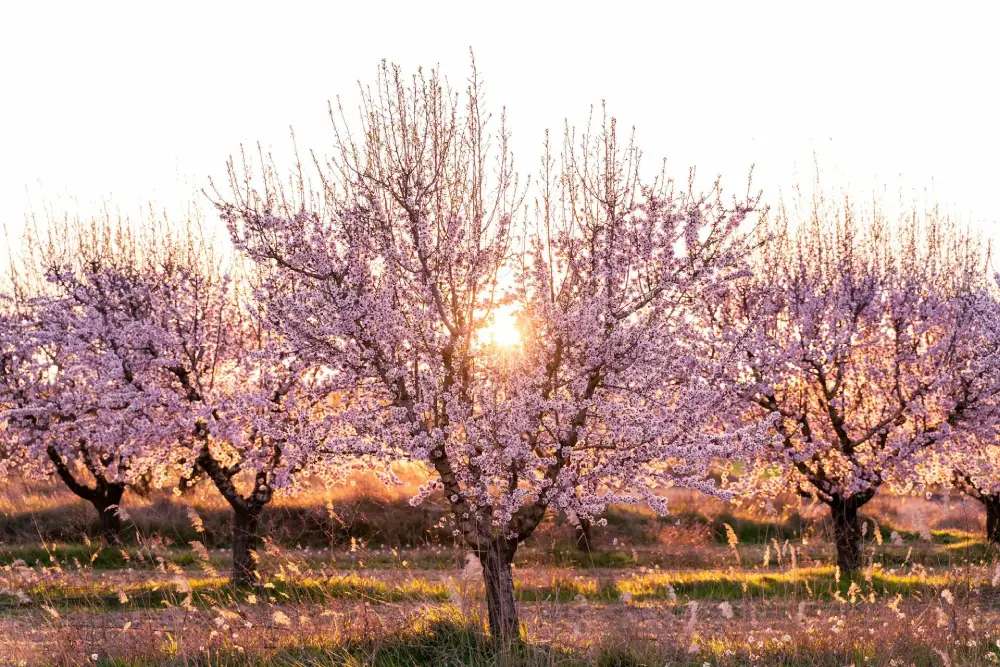
American almonds are primarily associated with California, which has a warm, dry climate well suited to almond cultivation. California produces a wide range of almond varieties that are sold domestically and exported around the world.
Australia also has a well-established almond industry. Major growing areas include parts of South Australia, Victoria, and New South Wales.
Because almonds are influenced by their growing environment, differences in climate, soil, irrigation, farming methods, and almond variety can contribute to differences in the final product.
Australian vs American Almonds: Taste
Taste is one of the most interesting things to compare when trying almonds from different origins.
American almonds are commonly recognized for their pleasant nutty flavor and satisfying crunch. Because the United States produces several commercial almond varieties, flavor can vary depending on the specific variety and how the almonds have been processed.
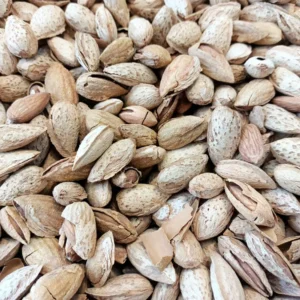
Australian almonds can have a naturally sweet, creamy, and nutty flavor. However, just like American almonds, their taste can vary according to variety, growing conditions, freshness, and processing.
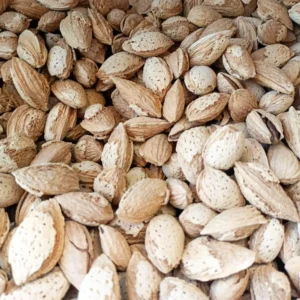
So, is one better?
Not necessarily. Taste is highly personal, and the difference between two almond varieties may be more noticeable than the difference between the countries where they were grown.
Differences in Size and Appearance
Almonds can vary considerably in shape, size, and appearance.
American almonds are available in numerous varieties, meaning their appearance can differ depending on the type. Some may be longer and narrower, while others can be broader and more rounded.
Australian almonds are also grown in several varieties and can differ in size and shape.
If you’re buying almonds for a gift hamper, entertaining guests, or premium presentation, appearance may be an important consideration. For everyday snacking, however, freshness and flavor are often more important than minor differences in appearance.
Texture and Crunch
Nobody wants a disappointing, stale almond.
Both Australian and American almonds can have an excellent crunchy texture when they’re fresh and properly stored.
The final texture also depends heavily on processing. For example:
- Raw almonds have a firm, natural crunch.
- Roasted almonds tend to have a crispier texture and deeper flavor.
- Salted almonds combine crunch with savory flavor.
- Flavored almonds may have additional ingredients that change their texture and taste.
In other words, the way almonds are processed can sometimes have a bigger impact on your eating experience than their country of origin.
Are Australian or American Almonds More Nutritious?
Both Australian and American almonds can be part of a healthy, balanced diet.
Almonds naturally contain nutrients such as:
- Protein
- Dietary fiber
- Vitamin E
- Magnesium
- Healthy unsaturated fats
However, nutritional values can vary depending on the specific almond variety and how the product is prepared.
For example, raw and dry-roasted almonds without added ingredients may have a different nutritional profile from heavily salted, sugared, or flavored almond products.
Rather than assuming that Australian almonds or American almonds are automatically healthier, it’s better to look at the actual product and its ingredients.
What About Farming Practices?
The environments where almonds are grown are different in Australia and the United States.
California’s Mediterranean-type climate provides warm, dry summers that are well suited to almond cultivation. Australia has several important almond-growing regions with their own climate and agricultural conditions.
Factors such as water availability, temperature, soil, pollination, farming practices, and weather can all influence almond production.
This is one reason why almonds from different regions and varieties can have slightly different characteristics.
Which Almonds Should You Buy?
If you’re standing in front of two bags of almonds and wondering which one to choose, don’t worry too much about the country of origin.
Instead, consider these five things:
1. Freshness
Fresh almonds generally have a pleasant aroma and satisfying crunch. Avoid almonds with an unpleasant, stale, or rancid smell.
2. Quality
Choose almonds that look clean, well processed, and free from obvious signs of moisture or deterioration.
3. Preparation
Think about how you plan to eat them. Raw almonds are versatile, while roasted almonds are excellent for snacking.
4. Storage
Proper storage helps maintain almond quality. Keep almonds protected from heat, moisture, light, and excessive exposure to air.
5. Your Taste
This may be the most important factor. If you prefer the flavor and texture of one origin or variety, that’s the right almond for you.
Australian vs American Almonds: Which Is Better?
There is no simple winner in the Australian vs American almonds comparison.
Both countries produce high-quality almonds, and the final eating experience depends on several factors, including almond variety, freshness, farming conditions, processing, and storage.
Instead of choosing an almond simply because it comes from Australia or America, look for freshness, quality, good storage, and a flavor you enjoy.
Better yet, try almonds from both origins and compare them yourself. You may discover that you have a clear favorite!
Why Choose Quality Almonds from Hashim Mart?
At Hashim Mart, we believe good dry fruits start with quality. Almonds are a convenient and delicious snack that can be enjoyed on their own or added to everyday meals.
Whether you’re buying almonds for your family, preparing a healthy snack, making desserts, or putting together a premium dry-fruit gift, choosing fresh and properly stored almonds can make all the difference.
Explore our selection of premium dry fruits and nuts and find the almonds that fit your taste and lifestyle.
Frequently Asked Questions
Are Australian almonds better than American almonds?
Not necessarily. Both Australian and American almonds can be high quality. Taste, freshness, variety, processing, and storage are important factors when determining overall quality.
Do Australian almonds taste different from American almonds?
They can. Differences in almond variety, growing conditions, freshness, and processing can affect flavor. However, the difference isn’t always significant, and personal preference plays an important role.
Are American almonds healthy?
Yes. Almonds naturally provide protein, fiber, vitamin E, magnesium, and unsaturated fats. They can be included as part of a balanced diet.
Are Australian almonds healthy?
Yes. Like other almonds, Australian almonds can provide protein, fiber, vitamin E, magnesium, and healthy unsaturated fats.
Which almonds are best for snacking?
The best almonds for snacking are the ones you enjoy and that are fresh and properly stored. Raw, roasted, and lightly salted almonds are all popular options.
Should almonds be stored in the refrigerator?
For longer storage, keeping almonds in a cool environment can help preserve their quality. Protect them from moisture, heat, light, and strong odors.
Can I use Australian and American almonds for baking?
Absolutely. Both can be used in baking, cooking, homemade almond butter, desserts, granola, salads, and other recipes. The best choice depends on your preferred flavor and texture.