



















Are Dry Fruits Good for Diabetics?
A Friendly Guide to Making the Right Choices
If you have diabetes, you may have heard conflicting advice about dry fruits. Some people say you should avoid them because they contain natural sugars, while others recommend them as a healthy snack. So, what is the truth? Are Dry Fruits Good for Diabetics? lets get to know.
Yes, many dry fruits can be included in a diabetes-friendly diet, but portion size, variety, and preparation matter.
Dry fruits are naturally nutrient-rich and can provide fiber, healthy fats, vitamins, minerals, and antioxidants. However, some varieties are higher in natural sugar and calories, so knowing what to choose and how much to eat is important.
What Makes Dry Fruits Useful for People with Diabetes?
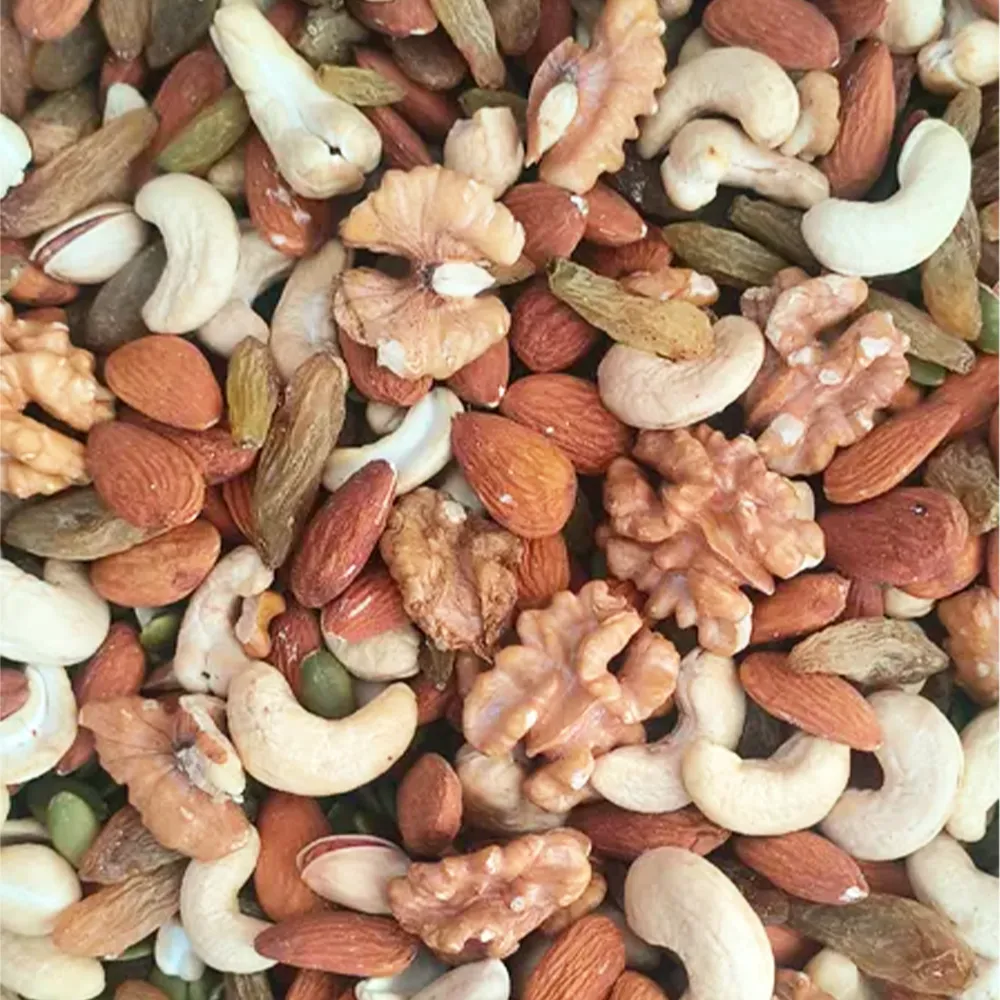
Dry fruits are simply fruits or nuts that have had some of their water removed. Nuts such as almonds, walnuts, pistachios, and cashews are particularly useful because they contain healthy fats, protein, fiber, and relatively little carbohydrate compared with dried fruits.
Fiber and healthy fats can help make a snack more satisfying and may slow digestion. This can be helpful when you’re trying to avoid frequent snacking or large portions of refined carbohydrates.
However, not all dry fruits are nutritionally the same. Dried fruits such as raisins, dates, dried figs, and dried apricots contain concentrated natural sugars because much of their water has been removed.
Best Dry Fruits for Diabetics
1. Almonds
Almonds are one of the easiest choices for a diabetes-friendly snack. They provide protein, fiber, healthy fats, magnesium, and other nutrients while containing relatively few carbohydrates.
A small handful of unsalted almonds can be a satisfying snack between meals.
2. Walnuts
Walnuts are particularly valued for their healthy fats, including omega-3 fatty acids. They also provide fiber and plant-based protein.
Adding a few walnuts to breakfast or having them as a snack can be a simple way to include nutrient-dense foods in your diet.
3. Pistachios
Pistachios contain protein, fiber, healthy fats, and various micronutrients. Because they require shelling when purchased in the shell, they can also encourage slower, more mindful eating.
Choose unsalted pistachios whenever possible, especially if you are also watching your sodium intake.
4. Cashews
Cashews can also fit into a balanced diabetic diet. They provide healthy fats, protein, magnesium, copper, and other nutrients.
The key is portion control because cashews are calorie-dense and contain more carbohydrates than some other nuts.
What About Raisins, Dates and Dried Figs?
This is where a little more caution is needed.
Dried fruits such as raisins, dates, dried figs, and dried apricots can be nutritious, but their natural sugars become concentrated when water is removed. This means it is easy to eat a larger amount of sugar than you realize.
That doesn’t necessarily mean you have to completely avoid them. Instead, focus on small portions and consider eating them alongside foods containing protein, fiber, or healthy fats.
For example, a small amount of raisins with a few almonds may be more satisfying than eating a large handful of raisins by itself.
Roasted Chickpeas (Bhuna Chana)
Roasted chickpeas, commonly known as Bhuna Chana, is considered to be the best and smart snack choice for people with diabetes when eaten in moderation. They provide plant-based protein, dietary fiber, and essential minerals, which can help make you feel fuller and may support steadier blood sugar levels compared with many refined, sugary snacks. Choose plain, dry-roasted Bhuna Chana without added sugar or excessive salt, and keep portions sensible. Pairing a small serving with nuts such as almonds or walnuts can make the snack even more satisfying. However, individual blood sugar responses can vary, so people with diabetes should consider their overall meal plan and monitor their glucose levels as advised by their healthcare professional.
How Much Dry Fruit Can a Diabetic Eat?
There isn’t one portion size that works for everyone with diabetes. Your ideal serving depends on your overall diet, medication, activity level, blood glucose response, and individual health needs.
As a general approach, a small handful of nuts, around 20–30 grams, can be a reasonable snack portion for many people. For dried fruits, portions are generally much smaller because the carbohydrates and sugars are concentrated.
The important thing is to avoid eating directly from a large packet or jar. Measure your portion first, enjoy it slowly, and pay attention to how your body responds.
If you’re monitoring blood glucose, you can also discuss your individual carbohydrate targets with your doctor or registered dietitian.
Choose Unsweetened and Unprocessed Options
When buying dry fruits, always check the label.
Some commercially packaged dried fruits contain added sugar, glucose syrup, honey, chocolate, or other sweeteners. These products can contain significantly more sugar than plain dried fruit.
For a diabetes-friendly choice, look for:
- Unsalted nuts
- Unsweetened dried fruits
- No added sugar
- Minimal processing
- Simple ingredient lists
Avoid assuming that a product is healthy simply because it says “natural” or “premium” on the package.
Can Dry Fruits Help Control Blood Sugar?
Dry fruits should not be considered a treatment for diabetes. However, replacing highly processed snacks such as biscuits, sweets, cakes, or sugary snacks with appropriate portions of nuts may improve the overall nutritional quality of your diet.
Nuts are generally low in carbohydrates and provide fiber, protein, and healthy fats, making them a better snack option than many refined, sugary foods.
For dried fruits, moderation is particularly important because their concentrated carbohydrates can affect blood glucose levels.
The Bottom Line
So, are dry fruits good for diabetics? Yes, many can be part of a healthy and balanced diet.
Almonds, walnuts, and pistachios are excellent choices because they provide healthy fats, protein, fiber, vitamins, and minerals. Dried fruits such as raisins, dates, and figs can also be enjoyed, but they require smaller portions because their natural sugars are concentrated.
The golden rule is simple: choose wisely, watch your portions, and avoid added sugar.
And remember, diabetes management is highly individual. If you have diabetes or take glucose-lowering medication, speak with your healthcare professional or dietitian about how different foods fit into your personal meal plan.
With the right choices and sensible portions, you don’t necessarily have to give up delicious dry fruits—you simply need to enjoy them mindfully.