


















Panjiri, The Traditional Asian Delicacy
A Dry Fruit Mix Packed with Energy & Nutrition
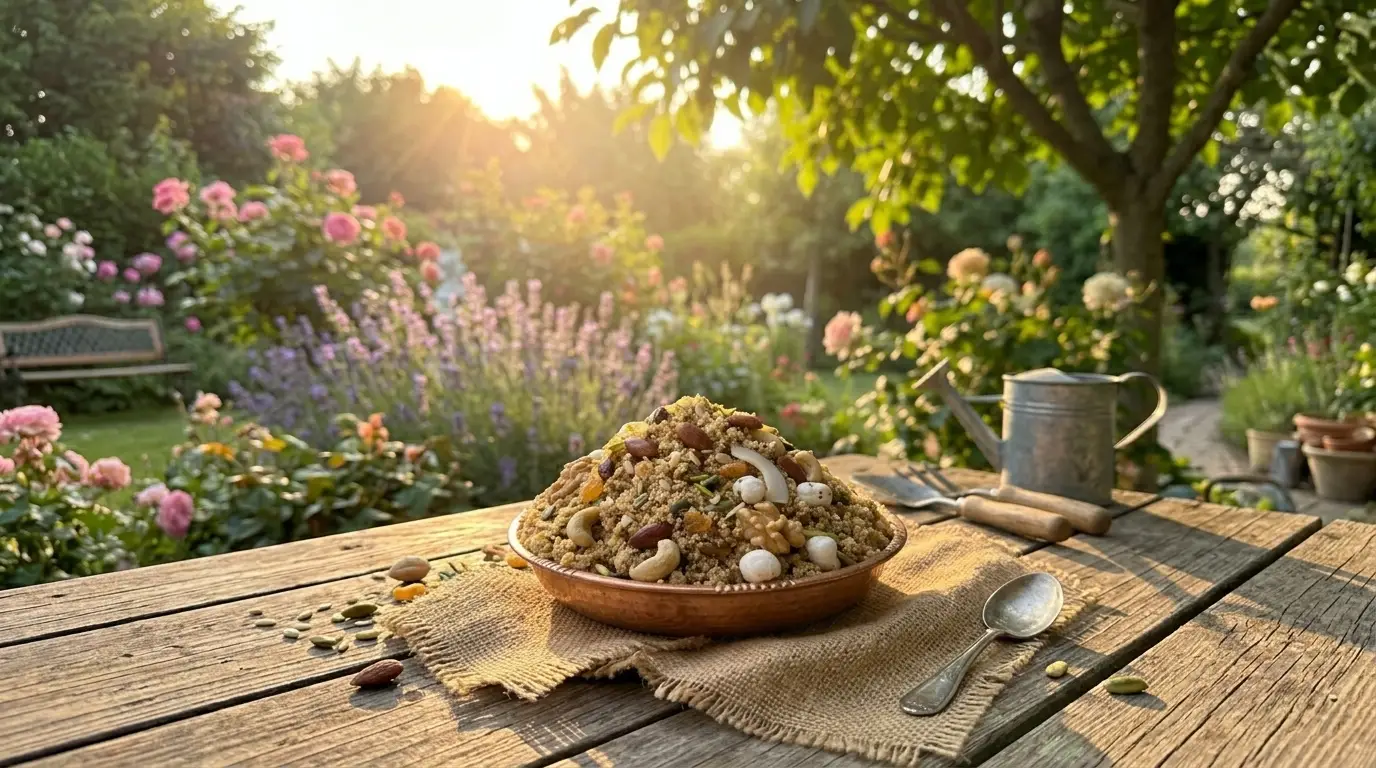
Panjiri, is a beloved traditional food across Pakistan and India. Made with roasted flour or semolina, desi ghee, nuts, seeds, dried fruits, and aromatic spices, this delicious mixture has been enjoyed for generations, especially during the colder months.
Often described as a traditional South Asian energy food, Panjiri is more than just a sweet treat. Its combination of nuts, seeds, whole grains and dried fruits provides carbohydrates, fats, protein, fiber and a range of essential micronutrients.
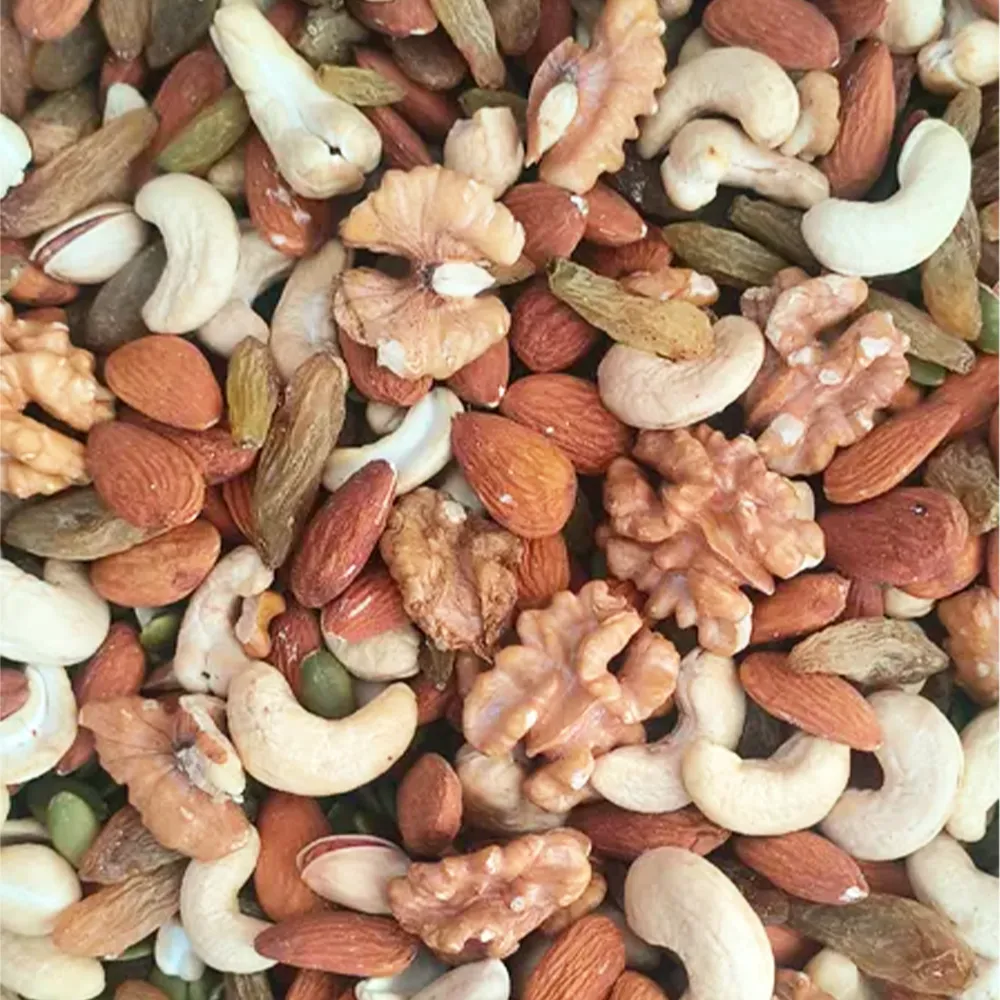
There are many regional and family recipes for Panjiri. Some use wheat flour, while others use semolina (suji), and ingredients such as almonds, pistachios, cashews, raisins, melon seeds, coconut, makhana and edible gum can be added according to taste.
What Is Panjiri?
Panjiri is a dry, crumbly mixture traditionally prepared by slow-roasting ingredients in desi ghee and combining them with powdered sugar or another sweetener.
The word may bring back memories of a grandmother’s kitchen, where nuts and flour were slowly roasted until the entire house was filled with a warm, nutty aroma.
Traditionally, Panjiri is particularly popular in winter and is also commonly prepared as part of postpartum food traditions in South Asian households.
Today, you can enjoy Panjiri as a breakfast topping, afternoon snack, pre- or post-workout energy food, or simply as a small sweet treat with tea or warm milk.
Traditional Dry Fruit Panjiri Recipe
This version combines whole grains, premium dry fruits, seeds and spices for a delicious and nourishing homemade mix.
Ingredients
- 1 cup whole wheat flour (atta)
- ½ cup semolina (suji)
- ½ cup almonds
- ½ cup cashew nuts
- ½ cup pistachios
- ½ cup raisins
- ¼ cup melon seeds (char magaz)
- ¼ cup desiccated coconut
- ¼ cup makhana (fox nuts)
- 2–3 tablespoons edible gum (gond), optional
- ½–¾ cup desi ghee
- ½ cup powdered sugar or jaggery powder
- 1 teaspoon cardamom powder
- ½ teaspoon dry ginger powder
- Optional: sesame seeds, flaxseeds or pumpkin seeds
The exact ingredients vary considerably between traditional recipes, so you can easily adjust the nuts, seeds and sweetness to suit your preferences.
How to Make Panjiri
- Roast the nuts
Heat a little ghee in a heavy-bottomed pan over low to medium heat. Roast the almonds, cashews and pistachios separately until lightly golden and aromatic.
Remove them and allow them to cool.
- Roast the makhana and seeds
Add a little more ghee and roast the makhana until crisp. Roast the melon seeds and other seeds separately for a few minutes.
Avoid overheating them because nuts and seeds can burn quickly.
- Prepare the gond katira (tragacanth gum)
If using edible gum, fry small portions in hot ghee until they puff up. Remove, cool and crush them into small pieces. Traditional Panjiri recipes commonly use gond, although it can be omitted.
- Roast the flour
Add the remaining ghee to the pan and slowly roast the whole wheat flour and semolina.
Keep stirring continuously over low heat. This is one of the most important steps because slow roasting develops Panjiri’s characteristic nutty aroma and golden color.
- Add coconut and spices
Once the flour becomes fragrant and lightly golden, add the desiccated coconut, cardamom and dry ginger powder.
Mix well.
- Combine everything
Coarsely chop or grind the roasted nuts. Combine them with the roasted flour, seeds, raisins, makhana and gond.
Allow the mixture to cool slightly before adding powdered sugar or jaggery powder.
Mix everything thoroughly.
Your homemade Panjiri is ready!
Store it in a clean, airtight container in a cool, dry place.
Nutritional Facts of Panjiri
Because Panjiri recipes differ significantly in the quantities of ghee, sugar, flour, nuts and seeds, there is no single standard nutritional profile.
For example, published recipes report approximately 297–475 calories per serving, depending on the recipe and serving size.
For a homemade dry-fruit Panjiri, a 30–40 g serving may provide roughly 150–200 calories, although the actual value can be considerably higher or lower depending on the amount of ghee and sugar used.
| Nutrient | Approx. per 30–40 g serving* |
| Calories | 150–200 kcal |
| Protein | 3–5 g |
| Carbohydrates | 15–22 g |
| Fat | 8–12 g |
| Fiber | 2–3 g |
| Natural & added sugars | 6–10 g |
| Calcium | Moderate |
| Iron | Moderate |
| Magnesium | Moderate |
| Vitamin E | Good source from nuts |
*These are estimated values, not laboratory-tested figures. The nutritional content will change according to the recipe, ingredients and portion size.
Health Benefits of Panjiri
- Provides a Convenient Source of Energy
Panjiri contains carbohydrates from wheat flour, semolina and dried fruits, along with fats from nuts and ghee. This combination makes it a calorie-dense food that can provide convenient energy.
This is one reason traditionally prepared Panjiri is particularly popular during winter and periods when additional calories may be needed.
- Rich in Healthy Fats
Almonds, pistachios, seeds and other nuts provide predominantly unsaturated fats, while ghee contributes saturated fat.
Nuts and seeds can make Panjiri a more nutritionally diverse snack than a conventional sugary dessert.
However, because ghee and nuts are calorie-dense, portion size still matters.
- Supports a Healthy Diet
Almonds, pistachios, cashews and seeds contribute protein, fiber and minerals such as magnesium, phosphorus and zinc.
Whole wheat flour also contributes fiber and B vitamins compared with refined flour.
Together, these ingredients make Panjiri a nutrient-dense traditional food when consumed in moderation.
- Good Source of Fiber
Whole wheat flour, nuts, seeds and dried fruits can contribute dietary fiber.
Fiber helps support normal digestion and contributes to feelings of fullness.
For an even more fiber-rich version, you can add flaxseeds, pumpkin seeds, chia seeds or extra nuts.
- Provides Important Micronutrients
One of Panjiri’s biggest nutritional advantages is its variety of ingredients.
Depending on the recipe, nuts and seeds can contribute:
- Vitamin E
- Magnesium
- Phosphorus
- Zinc
- Iron
- Calcium
- B vitamins
For example, almonds are particularly well known for their vitamin E and magnesium content, while seeds and nuts provide a mixture of minerals and beneficial fats.
- A Useful Winter Snack
Panjiri has traditionally been associated with winter in Punjabi and South Asian households. The combination of energy-rich ingredients makes it a satisfying cold-weather snack.
Enjoying a small serving with warm milk can make a comforting breakfast or evening snack.
- Convenient for Active Lifestyles
Because it combines carbohydrates, fats and some protein, a small serving can work as a convenient energy snack for people with active lifestyles.
You can enjoy it before or after physical activity, although the ideal portion and timing depend on your overall diet and fitness goals.
Is Panjiri Good for Everyone?
Panjiri can be part of a balanced diet, but it is important to remember that it is energy-dense.
Traditional versions can contain substantial amounts of ghee and sugar. Therefore, eating large portions regularly may add significant calories and sugar to your diet.
If you’re watching your calorie or sugar intake, consider:
- Reducing the added sugar.
- Using jaggery sparingly rather than assuming it is calorie-free.
- Increasing nuts and seeds.
- Adding flaxseeds or pumpkin seeds.
- Using less ghee while still roasting the ingredients properly.
- Keeping portions moderate.
People with specific dietary or medical requirements should adjust the recipe according to professional dietary advice.
How to Enjoy Panjiri
There are plenty of delicious ways to enjoy this traditional dry fruit mix:
With warm milk: Add 1–2 tablespoons to warm milk for a comforting snack.
With yogurt: Sprinkle Panjiri over plain yogurt for extra crunch.
With fruit: Add it to sliced banana, apple or other fresh fruit.
After exercise: A small serving can be combined with yogurt or milk as part of a balanced post-workout snack.
With tea: Enjoy a small spoonful alongside your afternoon tea.
As Panjiri ladoos: Add enough ghee to bind the mixture and shape it into small ladoos.
Panjiri is a wonderful example of how traditional South Asian foods can combine taste, texture and nutrition in one simple preparation.
With almonds, pistachios, cashews, seeds, raisins, whole grains and aromatic spices, it offers a delicious combination of energy, healthy fats, plant-based protein, fiber and essential minerals.
The key is balance. Traditional Panjiri can be quite rich because of its ghee and sugar content, so a small portion is usually enough to enjoy its flavor and nutritional benefits.
This traditional Asian delicacy remains a delicious way to bring a little warmth and nourishment to your day.
For a premium homemade version, choosing fresh, high-quality dry fruits and nuts makes a noticeable difference in both flavor and texture.