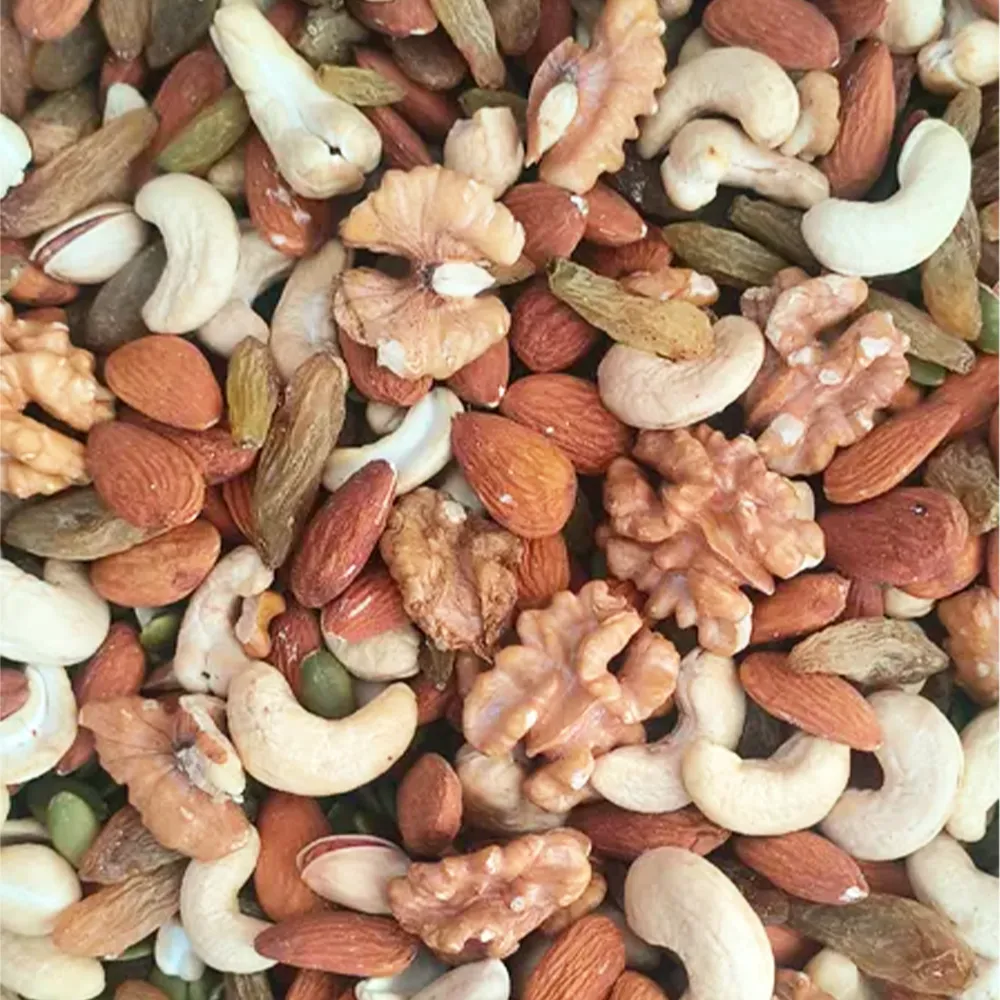


















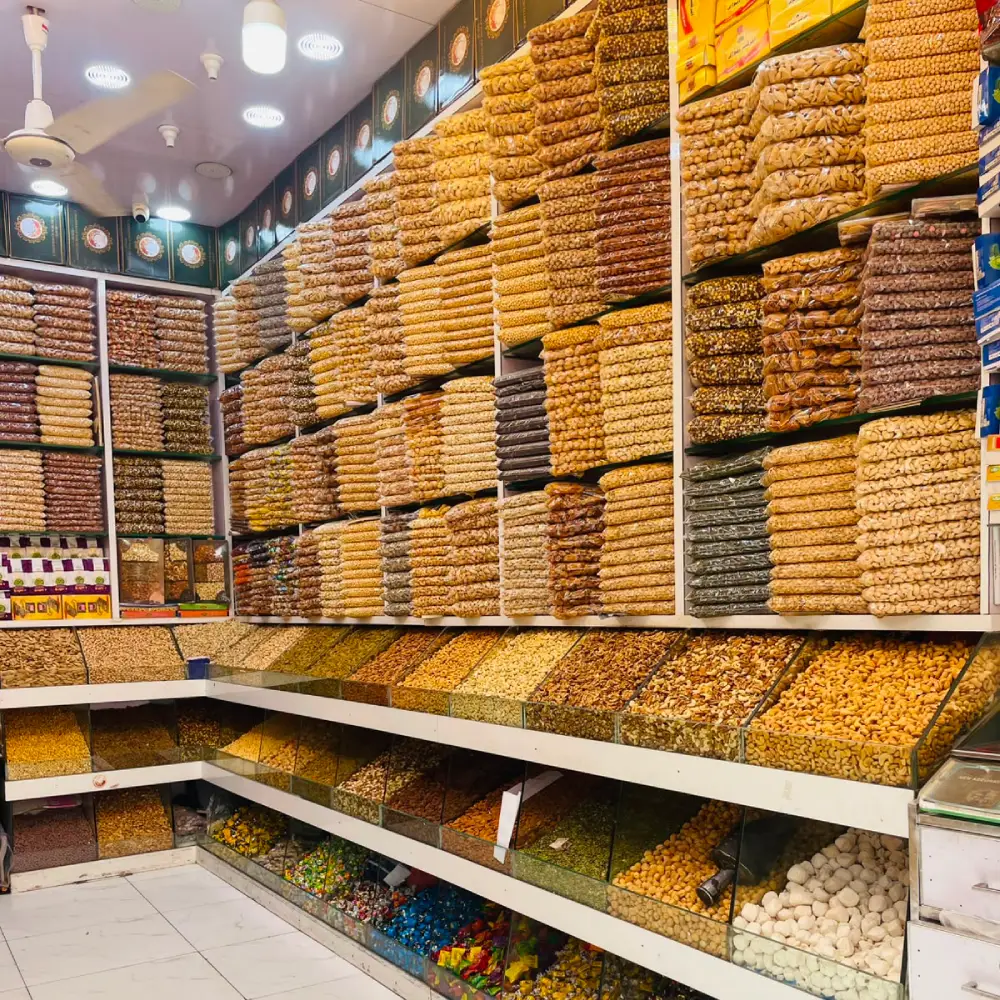
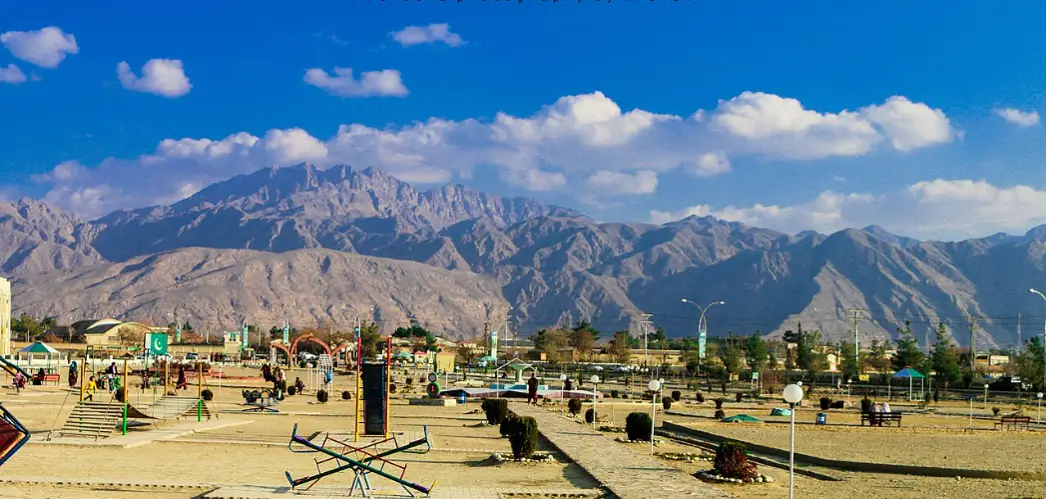
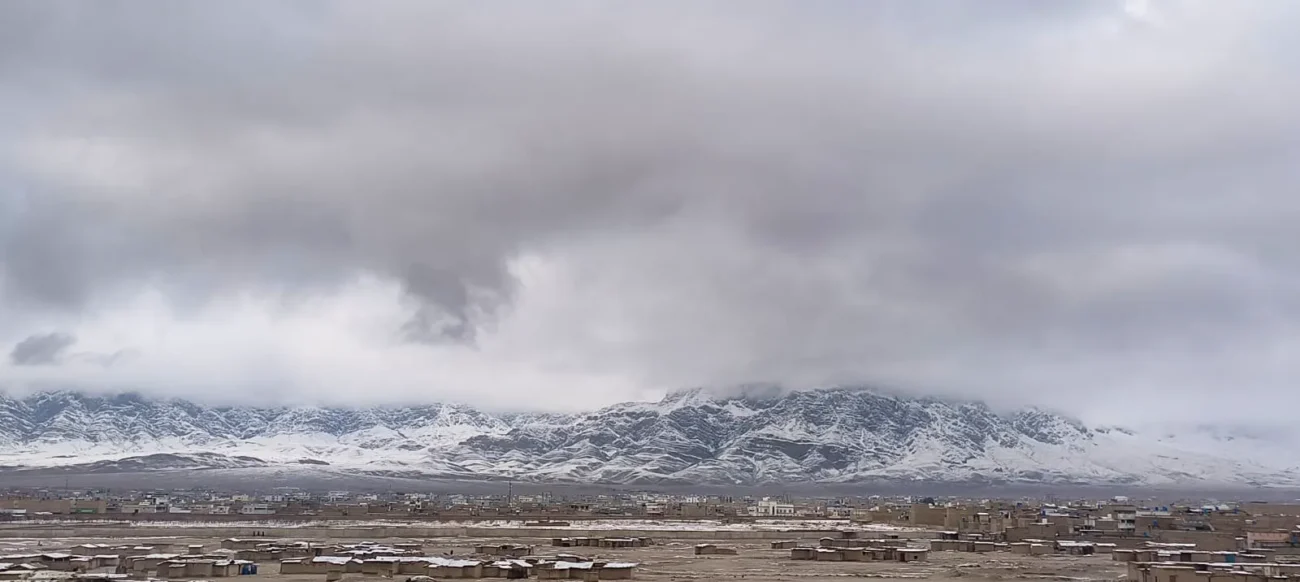
Nestled in a high-altitude basin surrounded by majestic mountain ranges, Quetta, the capital city of Balochistan, a largest geographical province of Pakistan, serves as the economic and cultural gateway to Balochistan. A region celebrated across South Asia as the ultimate haven for premium dry fruits. The Quetta Dry Fruits, often referred as ” The Fruit Basket of Pakistan,” Balochistan produces a massive share of the country’s temperate fruits, from almonds and pistachios to pine nuts, dried figs, and raisins.
For generations, travelers, traders, and food lovers have flocked to Quetta’s bustling bazaars to buy these winter delicacies. But what makes dry fruits from Quetta and the broader Balochistan region stand out on the global map?
1. Quetta Dry Fruits, Unique Geography and Microclimates
The secret behind the exceptional quality of Balochistan’s dry fruits lies in its unique geography. The province’s northern and central highland districts including Loralai, Pishin, Mastung, Kalat, Zhob, and Ziarat, located at elevations ranging between 3,000 and 8,000 feet above sea level.
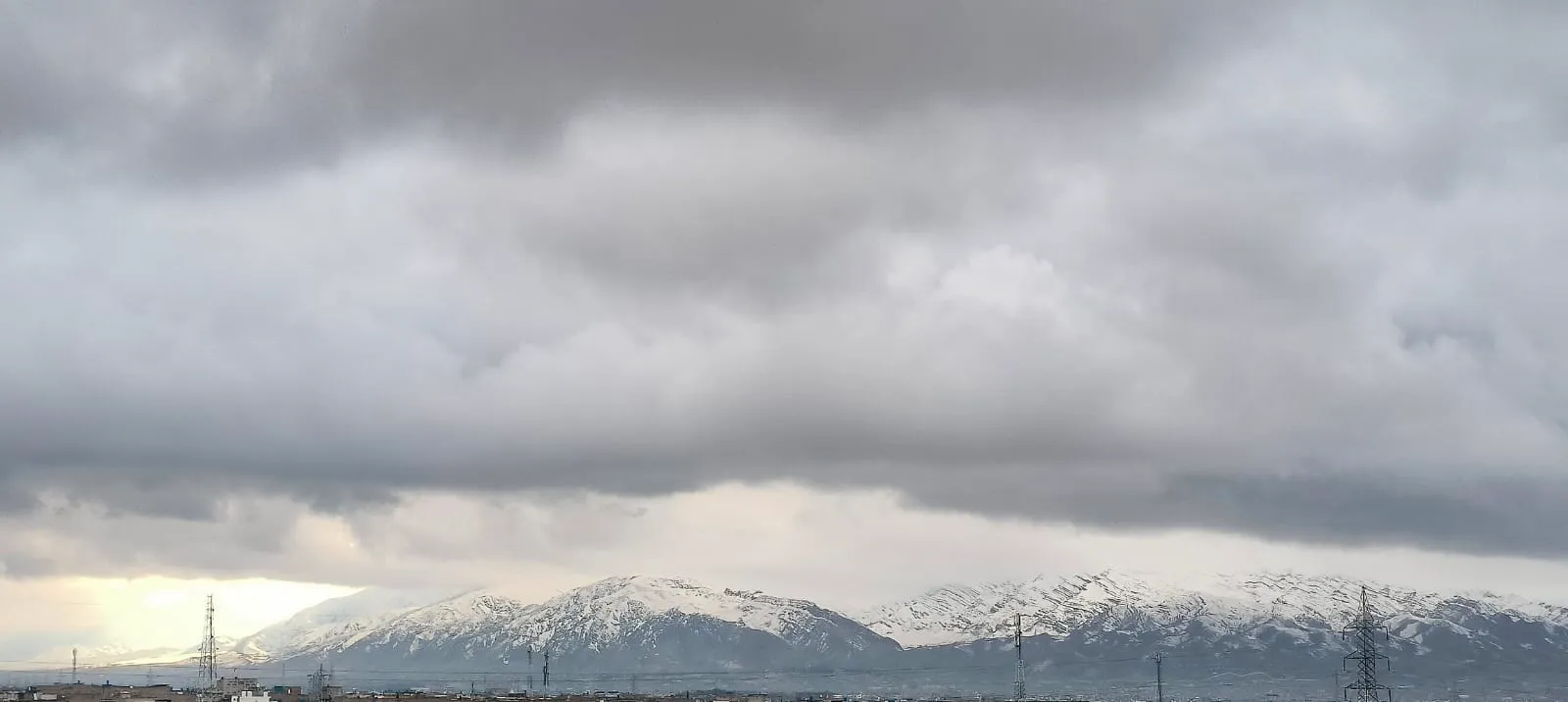
These highlands feature distinct microclimates characterized by:
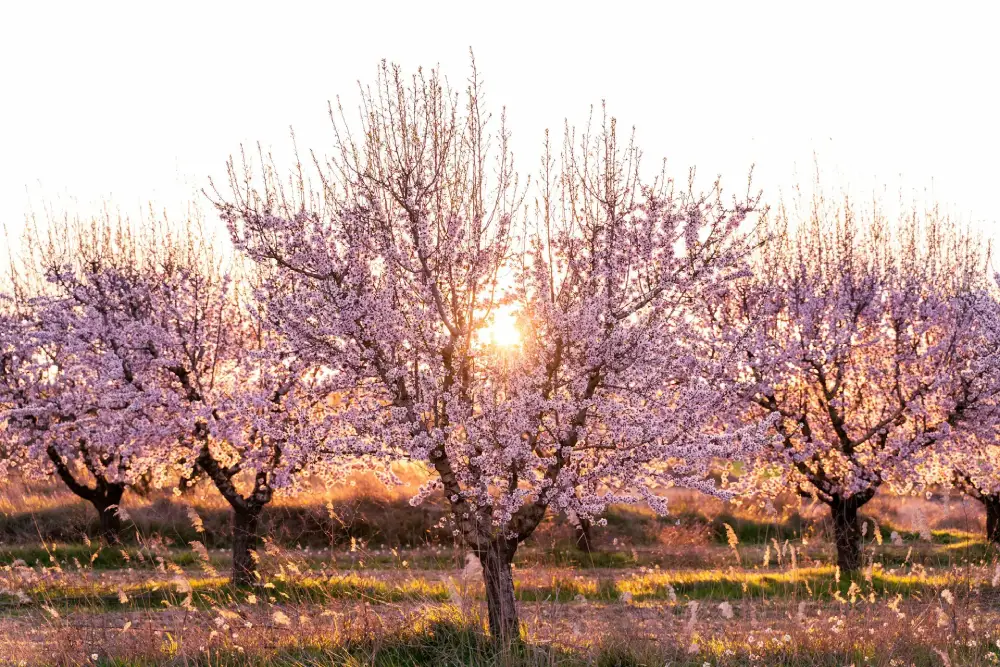
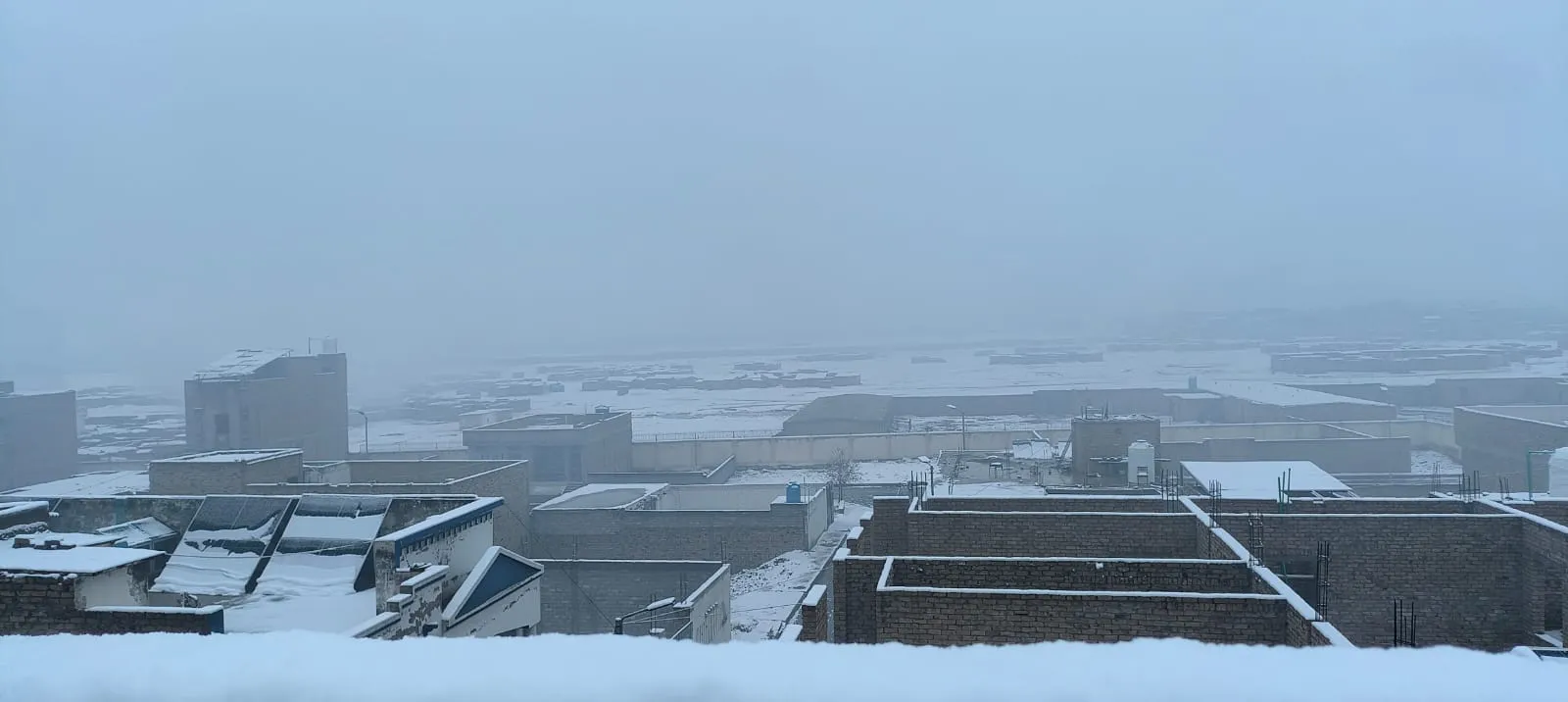
Chilly Winters: Cold temperatures provide the necessary chilling hours required for deciduous fruit trees to break dormancy and set healthy buds.
Warm, Dry Summers: Low atmospheric humidity during fruit maturation prevents fungal diseases and concentrates natural sugars.
Mineral-Rich Soils: Arid mountain runoff enriches orchard soils with essential minerals, giving fruits their distinct, deep flavor profiles.
2. World-Renowned Local Specialties
Balochistan produces specific, highly prized varieties of nuts and dried fruits that are difficult to cultivate elsewhere in the region
Kagzi Almonds (Paper-Shell Almonds)
Unlike hard-shell commercial almonds, Balochistan’s Kagzi almonds feature a shell so soft it can easily be cracked between two fingers. The kernel inside is plump, fragrant, and rich in natural oils, making it a favorite for culinary and medicinal uses.
Chilgoza (Pine Nuts)
The ancient pine forests along the Sulaiman Mountain Range in Zhob and Sherani districts harbor one of the world’s largest natural Pinus gerardiana (Chilgoza pine) habitats. Harvesting these pine cones from rugged mountain heights is a hazardous art passed down through generations. These pine nuts are prized globally for their sweet, buttery flavor and dense nutrition.
3. Traditional, Chemical-Free Processing
Another reason Quetta dry fruits enjoy an unmatched reputation is the reliance on traditional preservation methods. Farmers across Balochistan rely on natural sun-drying rather than industrial dehydrators or chemical preservatives like sulfur dioxide.
Sun Curing: Grapes and figs are spread across traditional drying yards (kishmish khanas) under the clear highland sun. This slow dehydration process seals in natural juices and intensifies sweetness naturally.
Organic Cultivation: Most smallholder orchards in Balochistan use minimal synthetic fertilizers, relying instead on traditional organic farming techniques refined over centuries.
4. Quetta as the Commercial Crossroads
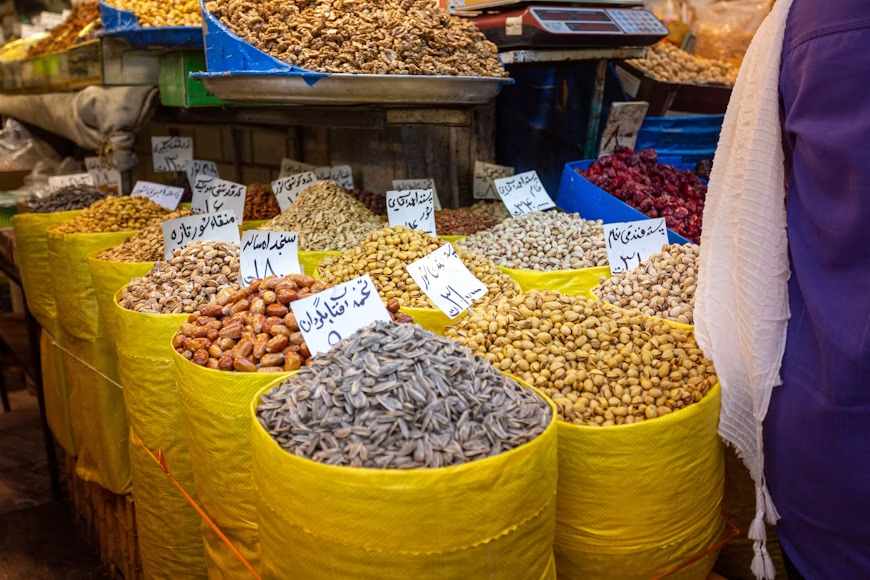
While growing occurs in the mountain valleys, Quetta is the nerve center where these treasures are collected, graded, packaged, and distributed. Historical markets like Kandahari Bazaar, Liaquat Bazaar, and Suraj Ganj Bazaar are famous for their sensory appeal—vibrant piles of golden raisins, roasted pistachios, shelled walnuts, and dried apricots overflowing from timber stalls.
Quetta’s geographical position near the borders of Afghanistan and Iran also makes it a vital cross-border trading hub. High-grade dried fruits from regional trade routes flow into Quetta, where master merchants blend and grade them for domestic supply across Pakistan and export to the Middle East and beyond.
A Cultural Heritage Worth Savoring
In Pakistani culture, gifting a box of mixed dry fruits from Quetta during the chilly winter months or festive celebrations is a gesture of deep warmth, respect, and hospitality. Combining rich soil, extreme highland climate, century-old farming traditions, and energetic trade, the dry fruits of Quetta and Balochistan remain an irreplaceable regional treasure and a symbol of nature’s bounty.